At a glance
The maintenance carried out in Specialist Disability Accommodation is often similar to that performed in any residential property.
What makes SDA different is the way that work is planned, communicated and delivered around the needs of the people living there.
As SDA portfolios grow, providers are increasingly balancing property performance with the continuity of participant support.
Good maintenance in specialist housing is measured not only by the quality of the repair, but by how successfully it protects the resident's daily life.
High-Quality Housing Depends on Good Decisions
In our recent article, Why Property Maintenance Is Becoming Asset Management, we explored how housing organisations are increasingly thinking beyond individual repairs and making maintenance decisions that protect the long-term performance of their housing assets. Rather than waiting for something to fail, organisations are taking a broader view of maintenance as part of managing housing over its entire lifecycle.
For Specialist Disability Accommodation, however, protecting the long-term value of the asset is only part of the equation. Good maintenance is also measured by how well it protects the continuity of support the home provides.
It's Not the Repair That's Different
Most of the work carried out in an SDA property would look familiar to any property manager or contractor. A leaking tap still needs repairing, damaged flooring still needs replacing and walls still require repainting over time.
What makes specialist housing different is the context in which that work is delivered.
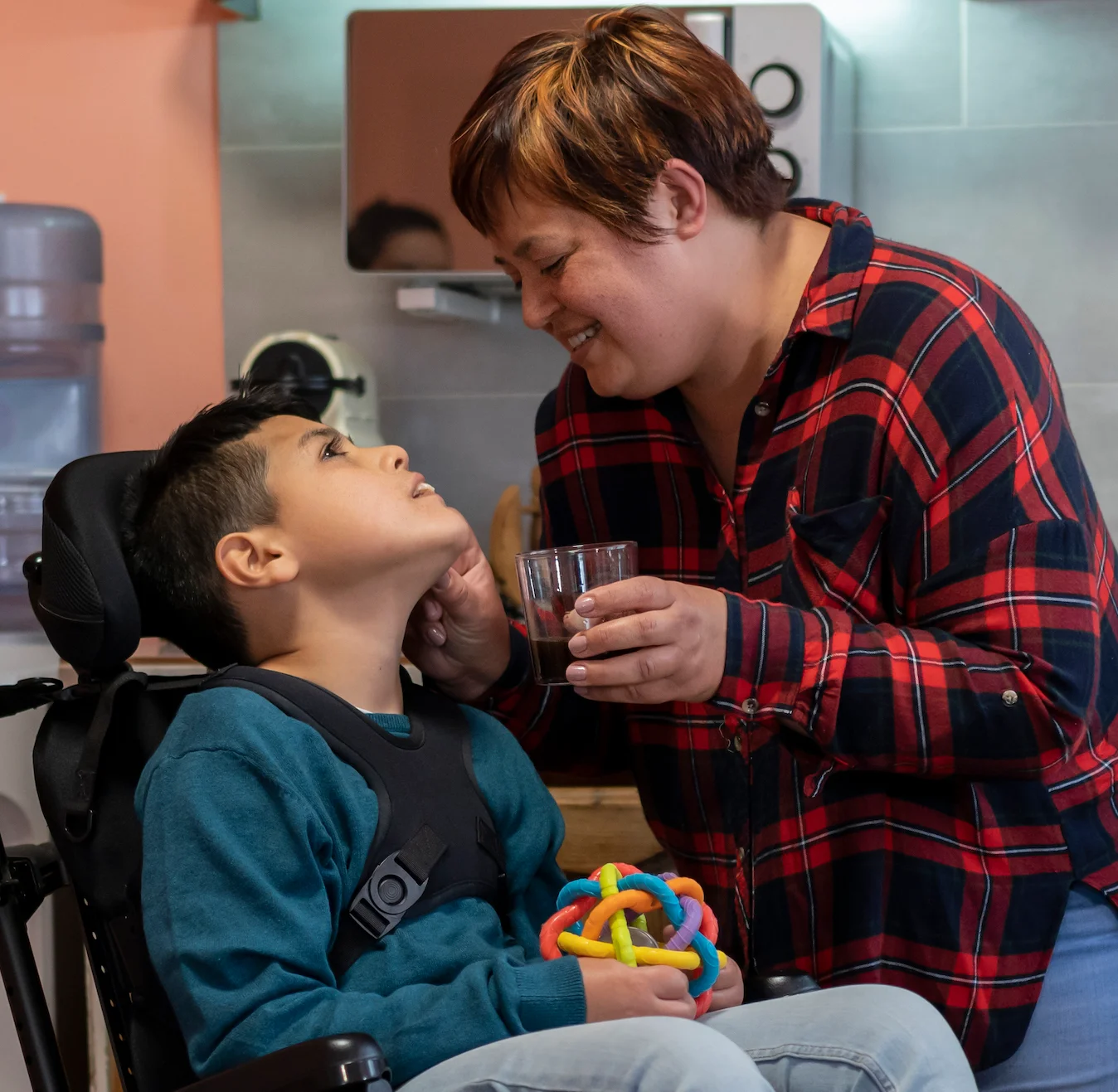
Every maintenance visit takes place in someone's home, but it may also need to accommodate established support routines, personal care arrangements and the needs of people who rely on the home functioning in very particular ways.
A routine repair may therefore involve coordinating with support workers, communicating with participants or scheduling work around activities that cannot easily be interrupted.
The maintenance itself may be routine. Delivering it well often isn't.
Success Has Two Measures
In many residential properties, success is relatively straightforward. The repair is completed, the property is returned to good condition and normal life resumes.
In Specialist Disability Accommodation, there is another outcome to consider. A maintenance issue that might be inconvenient in a typical residential property can have much broader implications in specialist housing.
A damaged doorway or flooring may make it more difficult for a participant to move safely through their home for example. And relatively routine repairs can require careful planning to minimise disruption to the support that allows someone to live independently.
The maintenance itself may not be more complex, but delivering it often is.
In addition, where a residential repair may involve coordinating between a property manager, contractor and tenant, an SDA provider may also need to consider support workers, support coordinators, family members or guardians as well as the participant themselves. Maintenance visits may need to be planned around care routines, medical appointments or other essential supports, with clear communication between everyone involved.
That changes how success is measured. Completing the repair remains essential, but so does preserving the continuity of support around it. A successful maintenance visit therefore depends not only on the quality of the work itself, but on how well it is planned, communicated and coordinated to minimise disruption to the people who call the property home.

Specialist Disability Accommodation supports independent living by combining accessible housing with coordinated participant support.
Better Systems Support Better Housing
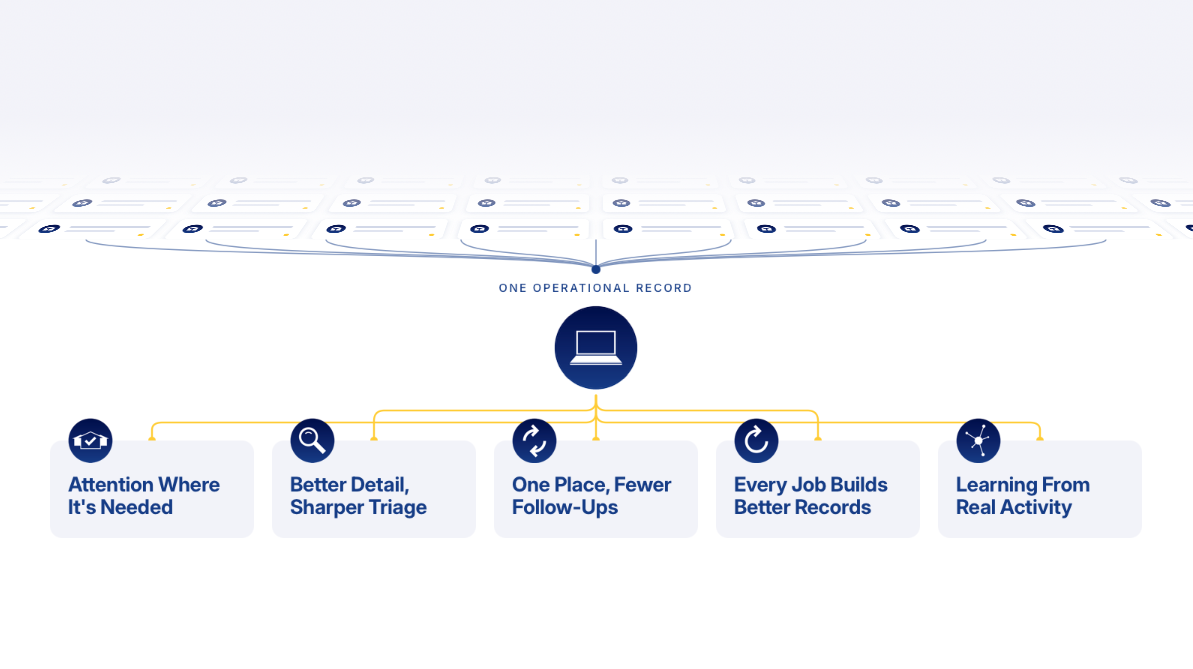
As portfolios grow, maintenance activities become increasingly difficult to coordinate through individual emails, phone calls and spreadsheets.
Operational confidence comes from having the right information available when it's needed—so contractors understand the circumstances, the right people have been informed and visits can be coordinated in a way that minimises unnecessary disruption for participants.
That confidence becomes much harder to maintain when information is fragmented across multiple systems and conversations.
Reliable property information, coordinated maintenance programs and clear communication help providers anticipate work, coordinate the many people involved and maintain visibility across the portfolio.
These are the same principles shaping modern asset management across the housing sector. In Specialist Disability Accommodation, they also help providers protect the continuity of support that allows residents to continue living safely and independently while maintenance is carried out.
Ultimately, better systems don't simply help organisations coordinate maintenance more efficiently. They create confidence that every repair can be delivered in a way that supports both the property and the person who calls it home.
How Taskforce Supports SDA Providers

Taskforce is developing its SDA maintenance service around the realities of specialist housing.
That means recognising that successful maintenance is measured by more than completing repairs. It is also measured by how well those repairs support the people who rely on the home every day.
The maintenance itself may be familiar. The standard by which it is delivered is what makes Specialist Disability Accommodation different
Frequently Asked Questions
Got questions? We have answers.
Many of the maintenance tasks are the same as those carried out in any residential property. What makes Specialist Disability Accommodation different is how maintenance is planned, communicated and delivered around the needs of participants, support teams and providers to minimise disruption while work is completed.