At a Glance
Housing electrification is the transition from gas-powered heating, hot water and cooking appliances to efficient electric alternatives.
There is no single Australian law requiring homes to become all-electric. Instead, individual states and territories are driving the transition through a combination of building standards, regulations, rebates and incentives.
Victoria is leading regulatory change. From 1 January 2027, most new homes must be built all-electric. From 1 March 2027, many gas hot water systems and certain other gas appliances must be replaced with electric alternatives when they reach the end of their service life.
Other states are taking different approaches. While the pace varies, Australia's overall direction is towards more energy-efficient, increasingly electrified housing.
The organisations most likely to benefit from housing electrification won't simply be those that comply with changing regulations. They'll be the ones that use every maintenance intervention as an opportunity to improve the long-term performance of their assets.
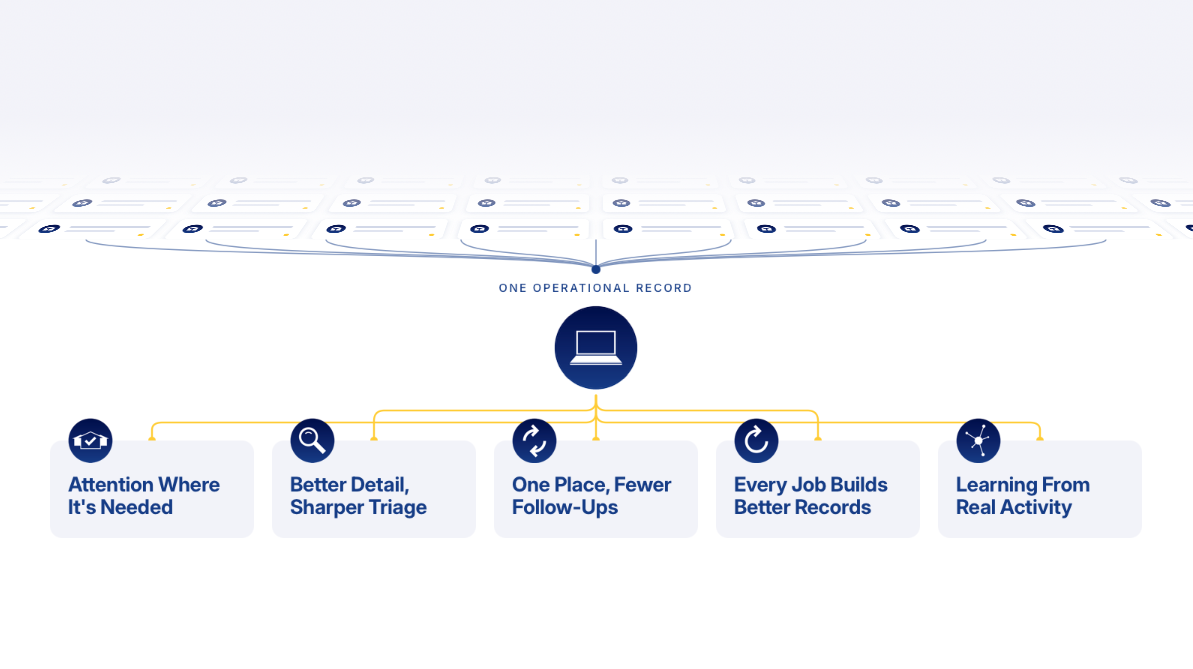
Electrification is exposing a problem many organisations didn't know they had. Better decisions increasingly depend on better asset information.
Not that long ago, then Prime Minister Scott Morrison dismissed electric vehicles with the now-famous line: "[An electric vehicle] won't tow your trailer. It's not going to tow your boat."
Whether you agreed with him or not, the comment captured a moment when electrification was still viewed with scepticism.
Fast forward a few years and the conversation has changed dramatically. Across Australia, governments are encouraging the transition to electric vehicles, renewable energy and, increasingly, all-electric homes.
Housing electrification may not have generated the same headlines as electric cars, but it represents one of the biggest shifts in Australian housing policy in decades. While each state and territory is taking a different approach, the direction of travel is becoming increasingly clear: the homes Australians build, maintain and live in are changing.
What Is Housing Electrification?
Since the 1960s, Australian homes have been designed around a combination of electricity and gas. Electricity powers lighting and appliances, whilst gas became the preferred option for heating, hot water and cooking because it was abundant, affordable and, at the time, often outperformed electric alternatives.
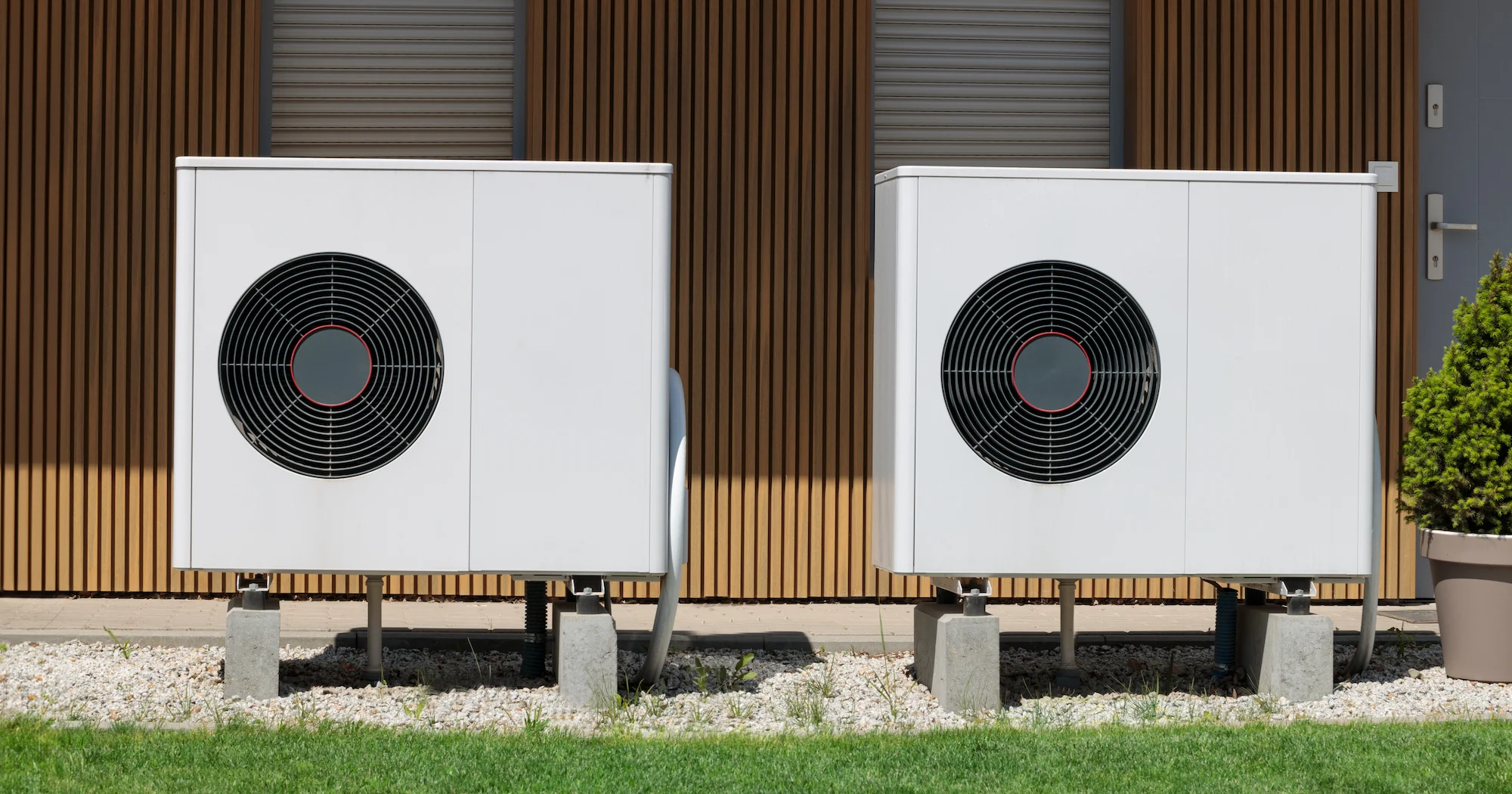
Today, the picture looks very different. Modern heat pumps, reverse-cycle air conditioners and induction cooktops can now match or exceed the performance of many gas appliances. Combined with changes to Australia's electricity system, these technologies have made all-electric homes an increasingly practical alternative.
Recognising this shift, Australian governments are introducing a combination of rebates, incentives, building regulations and policy reforms to encourage the transition towards all-electric homes. It describes this process as:
"Electrification (or 'going all-electric') means replacing products and appliances that use non-electric fuels, such as gas or petrol, with electric technologies."
Why Is Australia Moving Towards Housing Electrification?
One of the biggest drivers is Australia's commitment to achieve net zero greenhouse gas emissions by 2050. Under the Paris Agreement, Australia has committed to reducing greenhouse gas emissions, with the built environment recognised as an important part of that transition.
While no single change will achieve Australia's climate goals, replacing gas appliances with efficient electric alternatives, alongside an increasingly renewable electricity grid, is one of the ways governments believe households, which account for a significant share of Australia's energy consumption, can contribute over time.
Importantly, housing electrification does not mean gas will disappear from Australia's energy system overnight. Gas-fired power stations are expected to continue playing an important role in supporting the electricity grid by providing reliable generation when renewable sources are unavailable.
The focus of housing electrification is instead on reducing the direct use of gas within homes. Maintaining separate electricity and gas networks to every home is expensive, and building new homes without gas connections reduces the need to expand infrastructure that may become less economical to operate as more households transition to electricity.
What Are the Benefits of Housing Electrification?
While reducing emissions is often the headline, it's only one of several reasons governments are encouraging housing electrification. The transition also has the potential to reduce household running costs, improve the performance of homes and modernise Australia's ageing housing stock.

Lower running costs
One of the biggest advantages of housing electrification is improved energy efficiency. Modern electric appliances are significantly more efficient than many of the gas appliances they replace, meaning they require less energy to deliver the same outcome.
Heat pump hot water systems, for example, typically use 60–75% less electricity than conventional electric storage hot water systems. Reverse-cycle air conditioners are also far more efficient than traditional gas heating. While even high-efficiency gas heaters convert around 80–95% of their fuel into usable heat, reverse-cycle systems can deliver three to five units of heat for every unit of electricity they consume by transferring heat rather than generating it through combustion.
The same principle applies in the kitchen. Induction cooktops transfer around 85–90% of their energy directly into the cookware, compared with around 40–55% for gas cooktops, reducing wasted heat and improving cooking efficiency.
These improvements don't guarantee lower energy bills, but they do mean all-electric homes have the potential to reduce household running costs, particularly when combined with rooftop solar and other energy-efficient upgrades.
How Housing Electrification Prepares Homes for the Future
Housing electrification isn't simply about replacing today's gas appliances with electric alternatives. It is about positioning homes to take advantage of how Australia's energy system is expected to evolve.
As governments invest in renewable electricity and some jurisdictions begin limiting new gas connections, the role of the gas network is likely to diminish over time. While gas will continue to play an important role for many years, new investment is increasingly focused on an electricity system capable of supporting homes, transport and emerging technologies.
All-electric homes are better placed to benefit from that transition. Electric appliances can integrate with rooftop solar, battery storage, electric vehicles, smart energy management systems and future technologies that have yet to become mainstream. As these technologies continue to develop, homes that rely solely on electricity will generally be able to adopt new innovations without also maintaining a separate gas connection.
What are the rules around housing electrification?
Australia does not have a single law requiring homes to become all-electric.
Instead, the Australian Government has established a broad direction through national energy and emissions policies, funding programs and financial incentives designed to encourage electrification.
Supporting this is the National Construction Code (NCC), developed by the Australian Building Codes Board (ABCB) on behalf of the Australian Government and the state and territory governments. The NCC is Australia's national framework for building standards and establishes the minimum technical requirements for new buildings, including energy efficiency requirements.

Although the NCC is developed nationally, it is adopted, implemented and enforced by each state and territory. This allows jurisdictions to determine when they adopt new editions of the Code and to introduce additional requirements or variations that reflect their own policies and priorities.
In recent editions, the NCC has progressively strengthened its energy efficiency provisions. New homes must now meet higher standards for the building envelope, insulation, glazing, sealing and the overall energy performance of the dwelling. These measures reduce the amount of energy required to heat and cool a home, regardless of the appliances installed.
Importantly, the NCC does not currently require homes to be all-electric. Instead, it establishes a nationally consistent baseline for energy-efficient housing, while allowing individual states and territories to introduce additional electrification measures where they choose.
How are the states responding?
While Australia's overall direction is consistent, each state and territory is taking its own approach to housing electrification. Some have introduced new regulations, while others are relying more heavily on incentives, planning controls or voluntary programs.
The most significant regulatory changes have occurred in Victoria. From 1 January 2027, most new homes must be built all-electric. From 1 March 2027, certain gas appliances that reach the end of their life, including many hot water systems, must be replaced with electric alternatives.
Victoria
Mandatory all-electric requirements for most new homes and selected appliance replacements.
New South Wales
Focus on rebates, incentives and energy efficiency programs rather than broad electrification mandates.
ACT
Strong electrification policies, including restrictions on new gas connections and support for all-electric homes.
Queensland
Gradual transition supported by energy efficiency initiatives and financial incentives.
South Australia
Increasing support for electrification through incentives and energy policy, without broad statewide mandates.
Western Australia
A different pathway reflecting its separate electricity market and gas network, with a greater emphasis on incentives than regulation.
Tasmania
Already one of Australia's most highly electrified states, supported by abundant renewable electricity and comparatively low reliance on residential gas.
Why Victoria Is Worth Watching
Although housing electrification is a national trend, Victoria has moved further than most jurisdictions in translating policy into practical building requirements. Rather than relying primarily on incentives, Victoria has introduced regulatory changes that directly influence how new homes are built and how some gas appliances are replaced.
From 1 January 2027, most new homes will be required to be built all-electric. From 1 March 2027, certain gas appliances that reach the end of their service life, including many hot water systems, must be replaced with electric alternatives rather than new gas units.
What Does Housing Electrification Mean for Property Portfolios?

For the people responsible for planning, maintaining and improving Australia's housing stock, electrification represents more than another regulatory requirement.
Like minimum rental standards, building accessibility requirements and Essential Safety Measures before it, electrification is another example of how expectations of housing continue to evolve. The homes being built today, and the way existing homes are maintained, are changing to reflect new technologies, government policy and community expectations.
That means electrification isn't simply about replacing a gas appliance with an electric one. It influences maintenance planning, capital works, electrical infrastructure, asset lifecycles and long-term investment decisions. Replacing a failed hot water system, for example, may also require switchboard upgrades or increased electrical capacity. Over time, these decisions become part of a property's broader asset strategy rather than isolated maintenance events.
For organisations managing housing portfolios, this reinforces a trend already emerging across the sector: maintenance is becoming asset management. Every repair, replacement and upgrade is increasingly an opportunity to improve the long-term performance, resilience and future readiness of the property, rather than simply restoring what was there before.
What Does Housing Electrification Mean for Property Managers and Asset Owners?
For organisations responsible for managing property portfolios, housing electrification represents more than another regulatory requirement. It has the potential to become a catalyst for better asset management, reframing every maintenance intervention as an opportunity to improve the property rather than simply restore it.
The organisations most likely to benefit from housing electrification are unlikely to be those that view it simply as another compliance obligation. They will be those that use it to strengthen long-term planning, improve asset performance and prepare their portfolios for the way housing is likely to evolve over the coming decades.
Every Intervention Becomes an Opportunity
Traditionally, maintenance has focused on restoring what was there before. Increasingly, however, electrification encourages organisations to ask the question: is this an opportunity to improve it?
Replacing a gas appliance with an electric alternative may also prompt a review of switchboard capacity, electrical infrastructure, rooftop solar, battery storage or future electric vehicle charging. What begins as a routine maintenance activity can become an opportunity to improve the property's efficiency, resilience and long-term value.
From Individual Repairs to Portfolio Strategy
Electrification also encourages organisations to think beyond individual repairs. Instead of responding to appliance failures as they occur, upgrades can be coordinated with planned maintenance, capital works and asset renewal programs.
This approach allows multiple improvements to be delivered together, reducing duplicated costs, minimising disruption for residents and ensuring investment decisions contribute to the long-term performance of the portfolio rather than simply extending the life of ageing infrastructure.
Over time, electrification becomes less about replacing individual appliances and more about shaping the future direction of the housing portfolio.
How Housing Electrification Can Improve Long-Term Asset Performance
Well-managed housing portfolios have always evolved over time through renovations, accessibility improvements and planned maintenance. Electrification is simply the latest opportunity to improve the quality, capability and long-term value of housing assets.
Rather than preserving existing standards, organisations can use each upgrade to progressively build more efficient, resilient and future-ready homes. A failed appliance is no longer just something to replace—it becomes an opportunity to strengthen the asset.
This may involve upgrading electrical infrastructure, improving energy efficiency, reducing reliance on ageing gas infrastructure or preparing properties for future technologies such as rooftop solar, battery storage and electric vehicle charging. Viewed collectively, these decisions contribute to a broader strategy of continuous asset improvement rather than isolated maintenance activities.
Better Decisions Begin with Better Information
Making good electrification decisions depends on understanding the assets being managed. Organisations increasingly need to know which properties rely on gas, the age and condition of existing appliances, available electrical capacity and where future upgrades are likely to deliver the greatest benefit.
For many organisations, electrification is therefore as much an information challenge as it is a technical one. Better asset information enables better maintenance decisions, more effective capital planning and greater confidence that investment is being directed where it will have the greatest long-term impact.
Conclusion

Housing electrification isn't simply about replacing gas appliances with electric ones. It reflects a broader shift in the way Australian housing is being designed, regulated and managed.
While each state is taking a different path, the overall direction is becoming increasingly clear. Homes are expected to be more efficient, more resilient and better prepared for the technologies that will shape Australia's future energy system.
For property owners, housing providers and property professionals, electrification presents more than a new set of technical decisions. It provides an opportunity to improve the long-term performance, value and future readiness of the assets they manage.
Because when every maintenance intervention becomes an opportunity to improve a property, electrification stops being just another regulatory change. It becomes another step in building better housing.
If you're responsible for managing a residential portfolio, understanding how electrification will affect your properties is only part of the challenge. Having accurate asset information and a coordinated maintenance strategy will help you make better decisions as requirements continue to evolve.
Find out how Taskforce helps property owners and housing providers manage maintenance, compliance and long-term asset performance.
Frequently Asked Questions
No. Australia does not currently have a single law requiring existing homes to become all-electric. Instead, electrification is being encouraged through a combination of national policy, state and territory regulations, financial incentives and building standards. The requirements that apply depend on where the property is located.