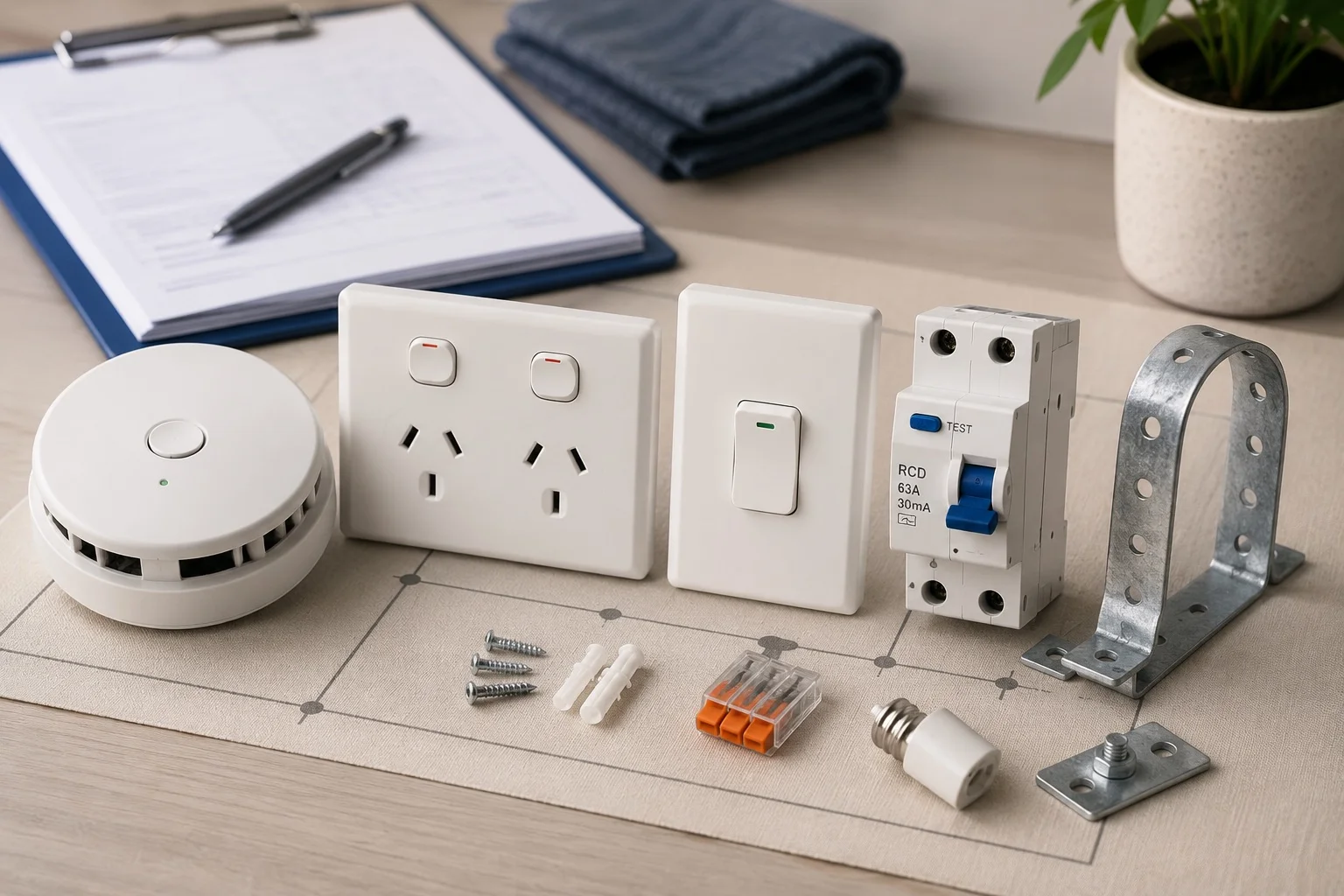
Most maintenance issues found during more than 65,000 Taskforce safety compliance checks were not catastrophic failures. They were the small repairs that property managers deal with constantly — expired smoke alarms, damaged powerpoints, faulty switches, deteriorating flue strapping or UV-exposed piping beginning to break down over time.
The repair itself is straightforward. The bigger issue is what happens afterwards.
At a Glance
Our data shows approximately one third of rental safety checks required at least one rectification.
Most rectifications were relatively small recurring issues rather than major system failures.
Common items include smoke alarms, powerpoints, switches, RCDs, flue strapping and meter hoops.
The repair itself is often straightforward. The larger burden is the approvals, follow-up and repeat coordination afterwards.
Increasingly, agencies are looking for ways to resolve common rectifications during the original attendance where appropriate.
Connected compliance workflows can reduce repeat visits, additional approvals and ongoing follow-up handling.
Why Small Repairs Create So Much Pain for PMs

The repair itself is often straightforward. In many cases, the bigger issue is what happens afterwards.
A relatively minor rectification can quickly trigger:
owner approvals
repeat tenant coordination
secondary bookings
additional contractor attendance
follow-up invoices
updated compliance documentation
ongoing follow-up to confirm the property has been returned to compliance
For busy property managers, this is where compliance administration can begin to snowball.
When rectifications sit outside the original safety attendance, a small issue can quickly become another disconnected process requiring separate approvals, additional communication and repeat handling across multiple parties.
Inspection records, invoices, rectification notes, certificates and communication history can then end up spread across different systems, inboxes and contractors, creating additional follow-up pressure for property managers trying to keep portfolios moving.
In many cases the repair itself is not the expensive part; coordinating it is. That's because across hundreds or thousands of properties, these interruptions create a substantial amount of extra admin, repeat workflows and operational pressure.
Increasingly, that is why many agencies are looking for ways to keep common rectifications connected to the original compliance visit wherever possible, rather than allowing every issue to become a separate workflow.

Internal safety check data showed that approximately one third of properties required at least one rectification item following inspection.
What Taskforce Rental Safety Check Data Reveals About Common Rectifications
Our data shows:
33% of checks required at least one small repair
1 in 7 smoke alarm safety checks required at least one replacement
PowerPoints were the second most common rental safety check repair
Internal compliance data across more than 65,000 compulsory Victorian gas and electrical safety checks showed that approximately one third of properties required at least one rectification item following inspection.
Importantly, most of these were not major system failures. The overwhelming majority fell within recurring low-complexity categories that appear consistently across rental portfolios over time.
Some of the most common included:
smoke alarm replacements
damaged powerpoints and switches
circuit protection devices such as RCDs
flue strapping
meter hoops
UV protection for exposed PEX piping
Smoke alarms alone represented a substantial portion of rectification activity, reflecting the ongoing maintenance requirements created by expiry dates, wear over time and evolving compliance expectations.
While many individual repairs were relatively minor, the volume and frequency of these recurring items still created meaningful operational workload across large portfolios.
Why More Agencies Are Moving Toward Connected Rectification Workflows
One approach increasingly being adopted across property management is resolving common rectifications during the original compliance attendance where appropriate, rather than treating every issue as a separate repair event.

This can significantly reduce:
secondary bookings
repeat visits
owner approval handling
additional quoting workflows
fragmented follow-up communication
Instead of creating another disconnected process, the repair remains connected to the original compliance workflow from identification through to completion.
For property managers, that often means fewer repeat touchpoints, less chasing approvals and fewer unresolved compliance items sitting across the portfolio.
It also helps reduce the operational slowdown that occurs when relatively small repairs create disproportionately large amounts of administration.
Common Rectifications Identified During Rental Safety Checks
Most common rectifications are linked to normal wear over time, ageing infrastructure, environmental exposure or evolving compliance expectations.
Smoke alarms remain one of the most frequent examples. Expiry dates, device faults and outdated units regularly require replacement to maintain ongoing tenant safety and compliance requirements.

Electrical safety checks also commonly identify:
damaged switches
worn powerpoints
faulty circuit breakers
RCD issues
Other issues emerge more gradually. UV-exposed PEX piping can deteriorate over time, while missing or damaged flue strapping and worn meter hoops are further examples of relatively small issues that can still cause a property to fail compliance requirements.
While these repairs are often relatively simple to resolve onsite, handling them during the original attendance can help prevent unnecessary follow-up administration, repeat bookings and additional coordination workflows from developing afterwards.
Why Property Management Workflows Are Changing
As compliance expectations continue increasing, the challenge for many agencies is no longer simply identifying issues. Most already have systems for inspections, reporting and contractor engagement.
The greater pressure often comes from managing the approvals, documentation, access coordination and follow-up required to resolve issues consistently across entire portfolios.
Small rectifications become operationally significant when every issue creates another separate workflow requiring additional handling and oversight.
Increasingly, agencies are looking for ways streamline compliance workflows, reduce repeat administration, simplify coordination and keep rectification activity moving within the same operational workflow wherever possible.
Article Q&A
Small repairs often trigger additional approvals, repeat bookings, invoices, tenant coordination and compliance follow-up, creating disproportionate administrative handling across large portfolios.
Talk to our team
If you have questions or would like to speak to someone about the challenges you're facing to meet safety check requirements across your portfolio, contact our team using the form below. We'd love to hear from you.
Contact Us