At a glance
Housing maintenance used to be largely reactive: something failed, then someone arranged a repair.
Legislation has changed what housing is expected to provide.
Other infrastructure sectors responded to similar pressures by adopting asset management: planning ahead, protecting value and reducing avoidable failure.
Housing is now beginning to follow the same path.
That means maintenance is no longer just about fixing what breaks. It is becoming one of the ways organisations protect compliance, housing quality and long-term asset performance
"If it ain't broke, don't fix it."
For decades, that was a perfectly reasonable way to think about property maintenance.
If the hot water service still produced hot water, the heater still worked and the roof wasn't leaking, many owners saw little reason to give them any attention. Those responsible for housing assets might recommend preventative work, but the final decision usually came down to budget, priorities and risk.
Today, that conversation is becoming more advanced because the definition of "broke" is changing.
Increasingly, governments, insurers and large asset-owning organisations are assessing buildings not simply on whether something has failed but on whether they continue to provide the standard expected of a safe, compliant and well-performing asset.
Maintenance Used to Be About Repairs
To understand why maintenance is changing, it helps to remember what property management looked like twenty years ago.
When Taskforce Senior Business Relationship Manager Jacinta O'Dowd began her asset management career in 2003, maintenance was largely driven by one thing: something had gone wrong.
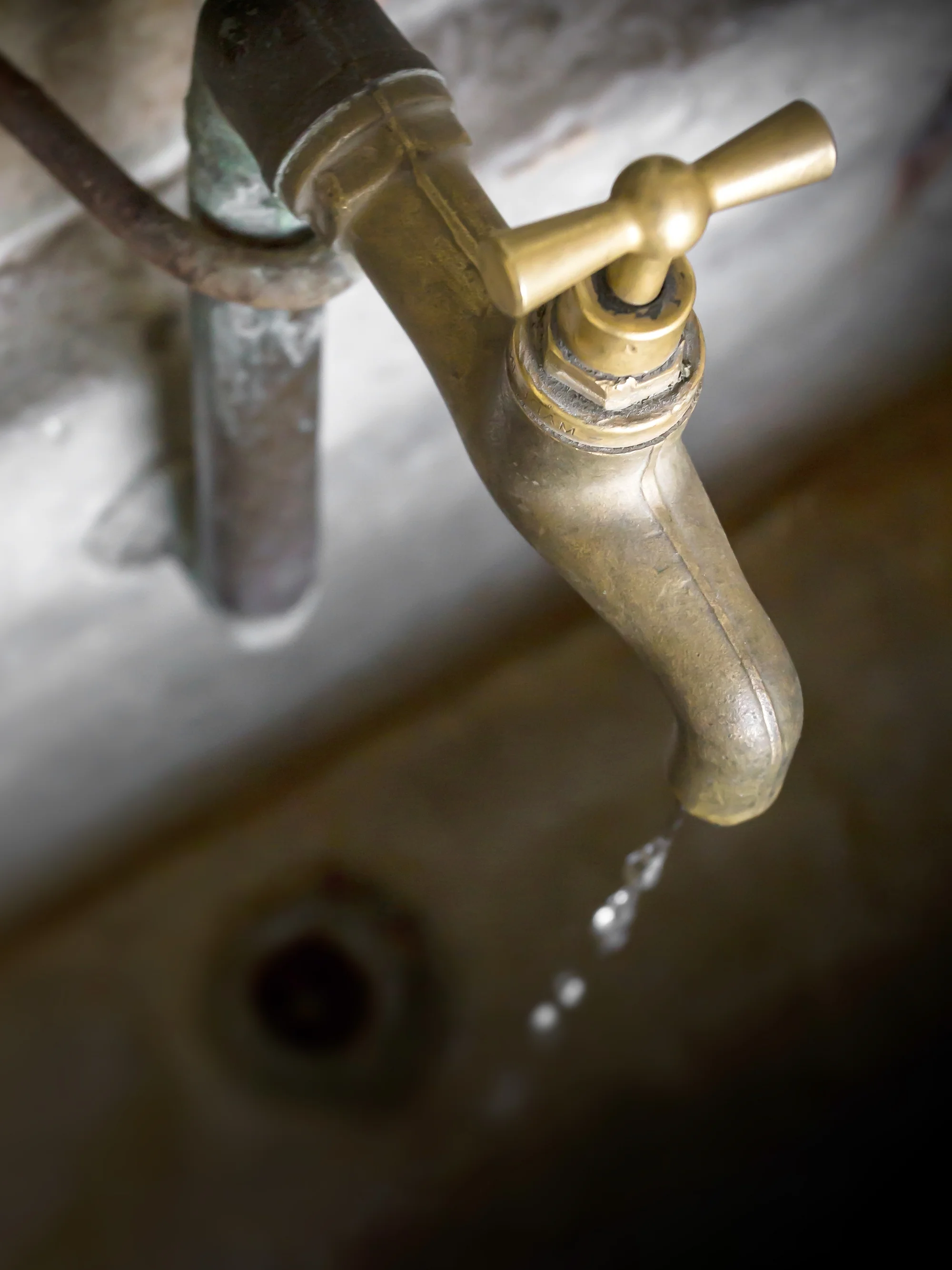
A tenant reported a leaking tap. A hot water service failed. A fence came down in a storm. Jacinta organised quotes, obtained the owner's approval and arranged the repair.
"One of the biggest challenges was getting landlords to understand that some repairs weren't optional," Jacinta recalls. "They never wanted to hear from me because it almost always meant they had to spend money."
From the owner's perspective that was often a perfectly rational commercial decision; replacing something before it failed felt like an unnecessary expense.
Those responsible for managing rental properties operated in a very different environment. Tenancies were generally shorter, compliance obligations were fewer and many of today's minimum standards simply didn't exist. Maintenance was largely reactive because the commercial risks and industry expectations were different.
For many years, that approach served owners, tenants and housing asset managers well.
But the legislative environment in which those decisions are made has changed.
Governments Have Changed the Conversation
Over the past two decades, the conversation around maintenance has gradually shifted.
Governments have progressively introduced new requirements covering smoke alarms, gas and electrical safety, minimum rental standards, heating, security, ventilation, mould and, more recently, minimum energy efficiency. While each reform addressed a specific concern when introduced, the entirity represents a broader shift in how rental housing is regulated. It's no longer just monitoring the safety of housing but increasingly it's the standard of housing throughout its life that is being scrutinised.
That means maintenance is no longer concerned solely with repairing failures. It is increasingly about preserving compliance, housing quality and the ongoing performance of the asset.
In our recent article, How Rental Compliance Is Redefining Property Management, we explored how compliance is evolving from a series of individual obligations into a broader measure of housing quality. Maintenance is one of the primary ways those standards are delivered in practice.

Housing maintenance is no longer defined solely by repairs. Rising standards are increasing expectations for compliance, habitability, governance and long-term asset performance.
Housing Is Beginning to Think Like Other Asset-Intensive Industries
Interestingly, this isn't a new way of thinking.
For many years, organisations responsible for managing roads, hospitals, utilities, commercial buildings and other critical infrastructure have recognised that waiting for something to fail is rarely the best way to protect a valuable asset. Rather than viewing maintenance as a series of unrelated repair jobs, they increasingly adopt an asset management approach focused on preserving value, managing risk and maintaining performance throughout an asset's lifecycle.
Maintenance - looking after things so they keep working.
Asset management - making the best long-term decisions about those things.
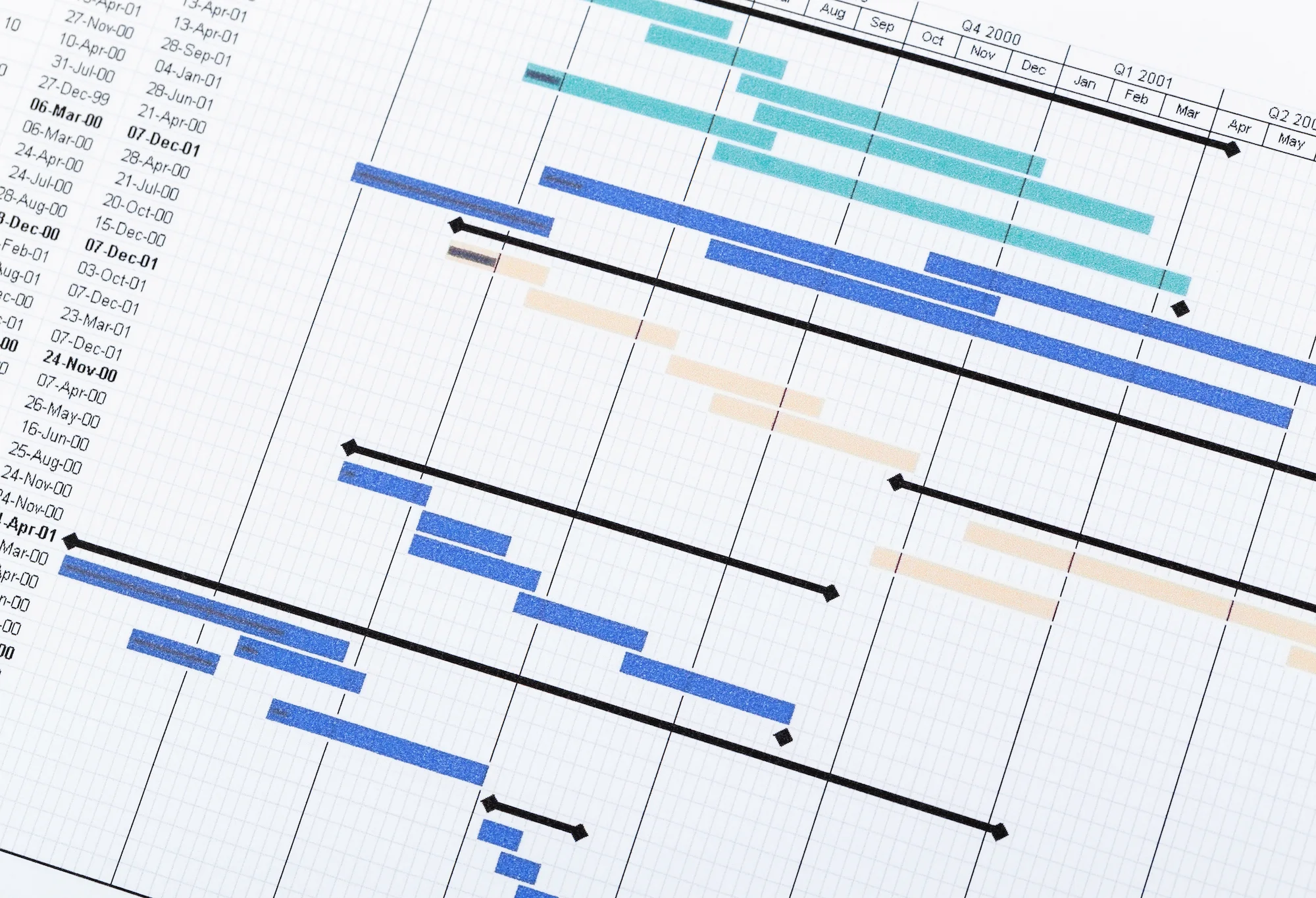
The Institute of Asset Management (IAM), whose members include CBRE, KPMG and Arcadis describes asset management as balancing changing regulatory requirements, business needs and long-term value. It encourages organisations to define what value means, respond to external drivers, improve data quality and continually refine their asset management practices rather than simply reacting when problems occur.
Perhaps most tellingly, the IAM encourages organisations to position asset management as "essential for preventing issues rather than just responding to them", recognising that proactive maintenance protects value, reduces risk and supports better long-term outcomes.
Those same asset management principles are now beginning to influence how housing is maintained.
As rental housing becomes a longer-term form of housing and governments place greater emphasis on compliance, quality and performance, maintenance is gradually becoming less about responding to individual repairs and more about preserving the long-term condition of the asset.
That doesn't mean reactive maintenance disappears. Pipes will always burst. Storms will always damage roofs. Appliances will still fail unexpectedly.
What is changing is the role of maintenance itself.
Increasingly, success is measured not simply by how quickly problems are repaired, but by how effectively housing continues to provide safe, compliant and well-performing homes over time.
From Managing Repairs to Managing Assets
The principles of asset management are also beginning to influence the way public housing portfolios are managed.
Research from the Australian Housing and Urban Research Institute (AHURI) argues that maintenance should be considered as part of a property's lifecycle, with reactive works kept to a minimum wherever practical. Rather than focusing solely on responding to faults, it recommends understanding portfolio conditions, reducing maintenance backlogs and planning interventions that extend the useful life of housing assets.

Importantly, this isn't simply about reducing maintenance costs. Poorly managed maintenance can contribute to declining housing quality, shorter asset life and growing maintenance backlogs that become more difficult and expensive to address over time.
These ideas are becoming increasingly familiar across the housing sector.
Whether responsibility sits with a property manager, community housing provider, facilities team or asset owner, expectations are becoming broader. Organisations are increasingly expected to coordinate compliance, maintain reliable records, understand portfolio condition, support long-term maintenance decisions and protect the ongoing performance of their housing assets.
Individually, these responsibilities can appear unrelated. Collectively, they represent a shift from managing maintenance events to managing asset performance.
What This Means for Housing Organisations
Perhaps the biggest change isn't the work itself. It's the way organisations are expected to think about it.
For many years, maintenance decisions were largely made in response to immediate events. Something broke. A repair was organised. The problem was resolved.
Today, those responsible for managing housing are increasingly expected to think beyond the immediate repair.
Consider a hot water service that's nearing the end of its expected life. Twenty years ago the obvious decision may have been to leave it alone until it failed. Today that same decision is influenced by a much broader set of considerations. Could a planned replacement avoid an emergency call-out? Will newer efficiency standards make replacement inevitable in the near future? How will delaying the decision affect the tenant, the owner and the long-term performance of the property?
The maintenance task hasn't changed.
The judgement surrounding it has.
That's one of the defining characteristics of asset management. It shifts the focus from responding to today's events to understanding how today's decisions affect tomorrow's outcomes.
As housing increasingly adopts that same mindset, the value of the people coordinating maintenance is changing too. Their role is no longer defined simply by how efficiently work is organised, but by how effectively they help organisations make informed decisions that balance cost, risk, compliance and long-term asset performance.
Conclusion — Good Maintenance Protects Value

The saying "If it isn't broke, don't fix it" still has its place. Unexpected failures will always occur, and reactive maintenance will always remain an important part of managing housing assets.
What's changing is the number of decisions that can no longer wait for something to break.
As governments redefine the standards expected of rental housing and as more people rely on renting as a long-term home, maintenance is increasingly expected to preserve compliance, housing quality and asset performance and not simply restore them after failure.
That's the same evolution already seen across infrastructure, commercial property and other asset-intensive industries, where maintenance is viewed not as a series of repair jobs but as part of managing valuable assets throughout their lifecycle.
The implications extend well beyond property management.
Across the housing sector, maintenance is gradually shifting from a reactive service to a strategic function. Rather than simply restoring buildings after failure, it is increasingly expected to preserve housing quality, support compliance and protect long-term asset performance.
That represents more than a change in maintenance practice. It reflects a broader shift in how housing itself is managed. As rental housing becomes longer-term infrastructure, maintenance becomes one of the primary ways organisations protect the value, performance and quality of the homes they provide.
Explore the Capabilities That Support Modern Asset Management
As organisations move from managing individual repairs to managing assets over their full lifecycle, the capabilities they rely on are changing too. Understanding portfolio condition, coordinating planned maintenance, maintaining reliable asset information and demonstrating compliance all play an increasingly important role in protecting housing quality and long-term asset performance.
Explore how Taskforce supports organisations responsible for housing assets:
Portfolio Health Check – Understand the condition of your portfolio and identify emerging maintenance and compliance risks before they become larger problems.
Subscription Maintenance – Support planned maintenance programs that reduce avoidable failures and help protect long-term asset performance.
Asset Register – Maintain accurate property information to support better maintenance, compliance and lifecycle decisions.
Compliance To-Do Lists – Bring compliance activities together into a single, auditable program of work.
Essential Safety Measures (ESM) – Coordinate ongoing statutory maintenance and documentation to help buildings remain safe and compliant.
Custom-built software – Connect maintenance, compliance and property information into a single operational system that supports better visibility and decision-making.
Frequently Asked Questions
Got questions? We have answers.
Reactive maintenance focuses on responding when something fails. Asset management takes a broader, long-term view, considering how maintenance, inspections, data and planning work together to preserve the condition, performance and value of an asset throughout its lifecycle.
Talk to our team
If you have questions about how our services may support you or would like to speak to someone about the challenges you're facing to meet requirements across your portfolio, contact our team using the form below. We'd love to hear from you.
Contact Us