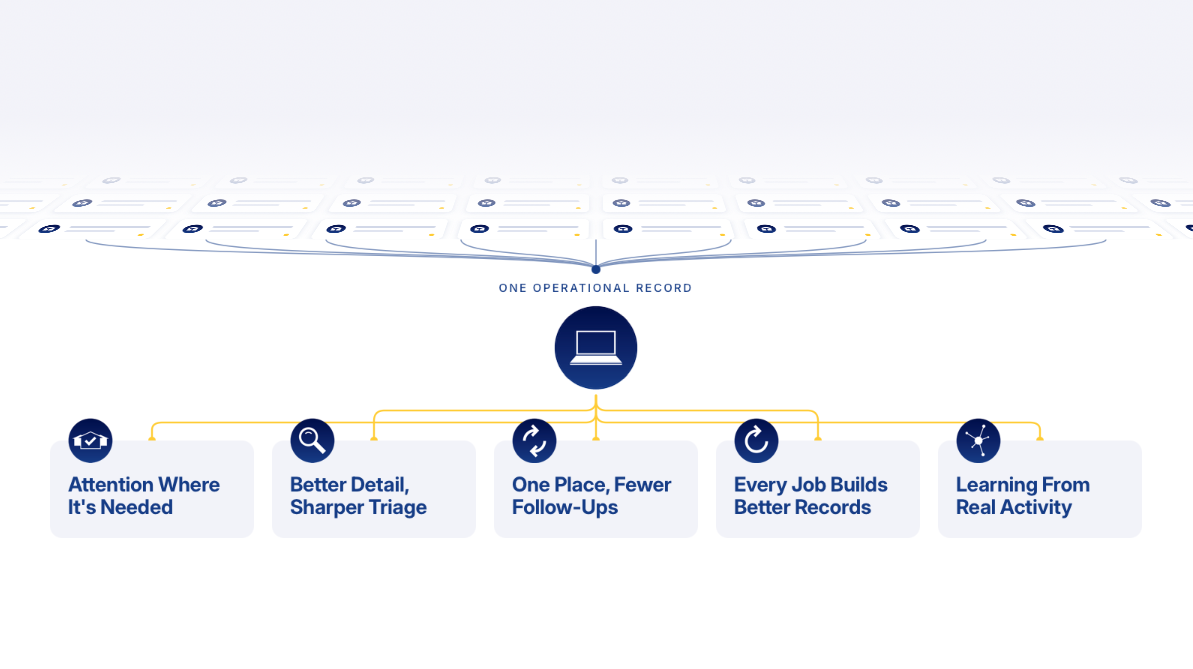
In Brief
Physical keys create small coordination tasks that multiply across large property portfolios, from trade access and tenancy changes to after-hours support.
Other industries have already demonstrated the scale of the opportunity: BC Hydro estimated around 20,000 staff hours a year were saved after changing the way more than 25,000 physical keys were managed.
Domera Access replaces physical key handling with remotely managed access codes, temporary trade access, access history and portfolio-level control.
Taskforce installs and supports the system, including 24/7 support and remote troubleshooting.
Digital access can be introduced progressively into a portfolio when locks reach end of life, re-keying would otherwise be required or owners choose to opt in.
Businesses spend a lot of time looking for bottlenecks in their processes. In property operations, one of them is physical: the front door.
Every inspection, maintenance visit, move-in, cleaner, contractor or emergency response must pass through it. If it is locked, that means locating the key, handing it over, tracking who has it, getting it back and replacing or re-keying when something goes wrong.
Hotels identified this problem decades ago. By the 1980s the industry was increasingly moving away from physical keys, which had become an operational burden. The change proved its value quickly.
Contemporary reports found that programmable access gave hotels much tighter control over who could enter rooms, while early adopters reported substantial reductions in theft and unauthorised access. What began as a way to solve a key-management problem became the industry standard for controlling access at scale.
Property management now has the opportunity to make a similar transition.
Removing Keys from the Workflow
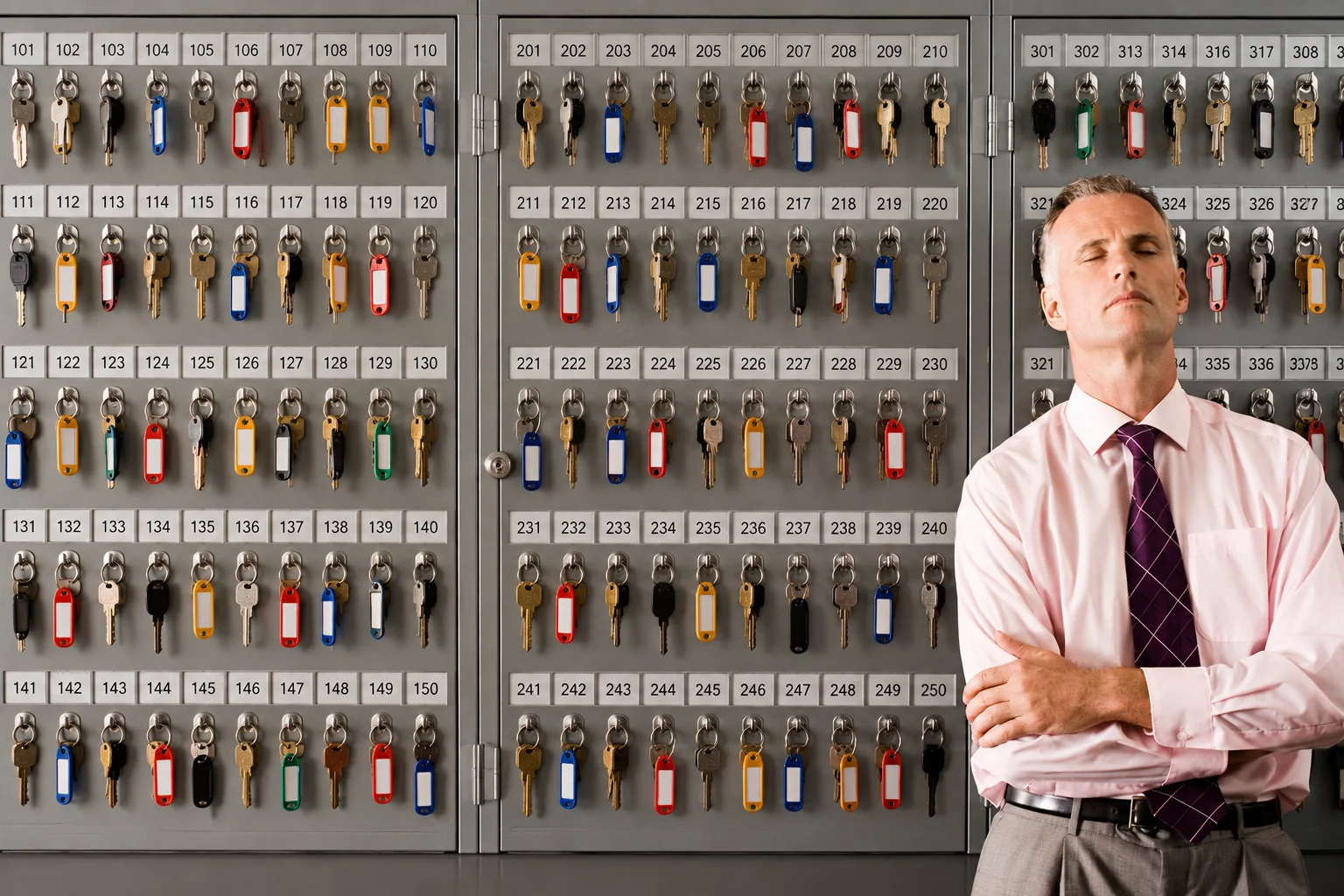
The cost of a physical key looks insignificant one interaction at a time but at scale the picture changes. Canadian utility firm BC Hydro was managing more than 25,000 physical keys across its operations. According to a case study by its key-management provider, Real Time Networks, finding a key took an average 10 minutes.
After the organisation introduced an electronic system to track and control those physical keys that fell to a few seconds, with estimated savings of around 20,000 staff hours a year. Even cutting that task from 10 minutes to one would have represented a 90% reduction in handling time, giving a clear illustration of how small access tasks multiply at scale.
Cut to the Australian property management sector. Maintenance coordination is cited as the biggest operational bottleneck in a 2026 survey of Australian property management teams, with 31.25% identifying it as the workflow that still feels most manual. AI is beginning to streamline the administrative side of that problem, making physical access the last manual step. The next logical question is whether that step can be redesigned too.
Taskforce designed its smart access solution to address that challenge: replacing physical key handling with remotely managed access built around the needs of property management.
What Is Domera Access? Smart Access for Property Management
Domera Access is not simply a consumer smart lock adapted for rental property. It is designed around the access
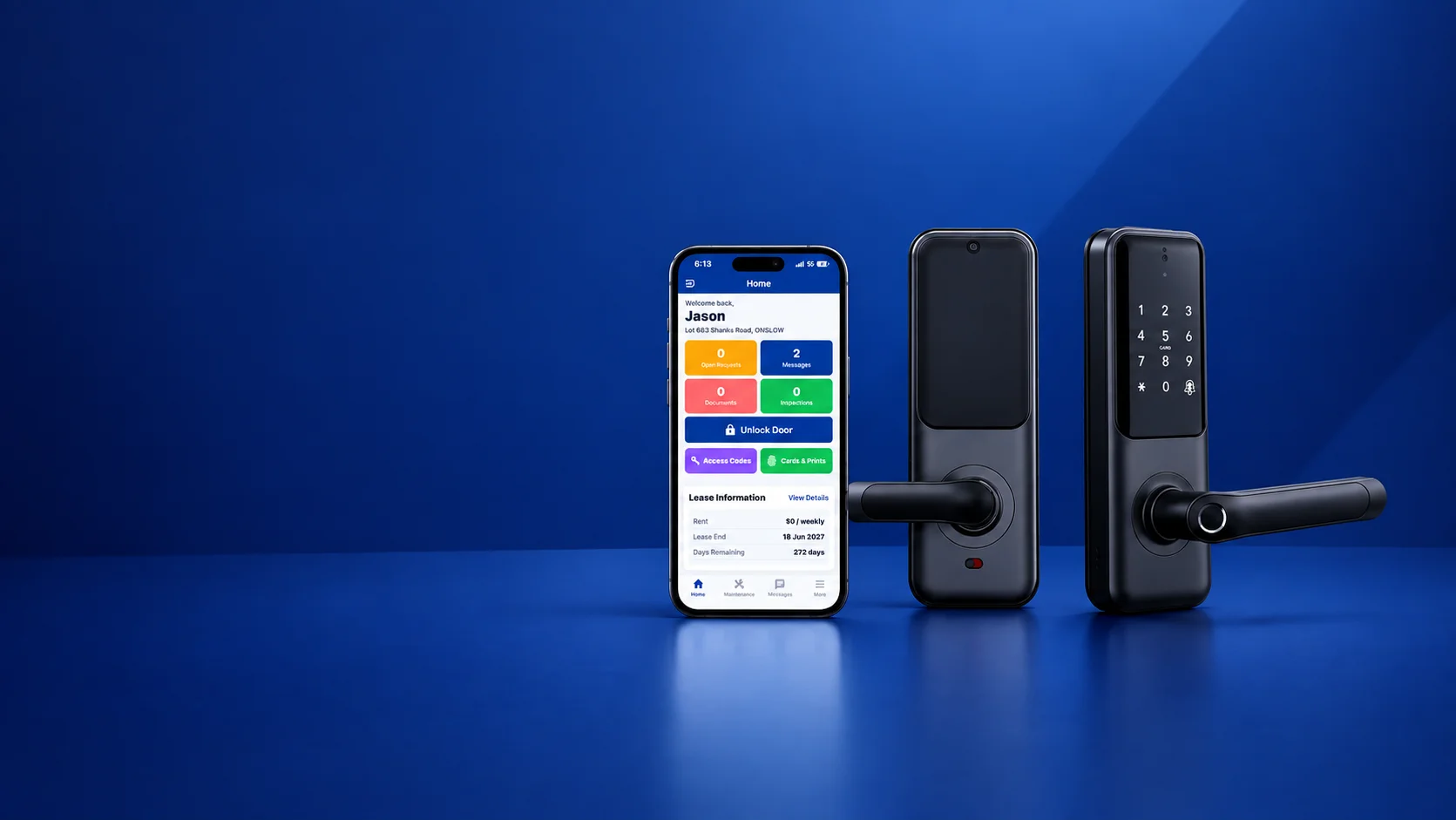
patterns of a managed portfolio: tenant changeovers, temporary trade access, after-hours support, access history and the need to manage multiple properties from one place.
It combines a Taskforce-installed front-door lock with an access-management platform that allows property managers and housing officers to control entry remotely, removing the need for physical keys.
Access codes can be issued, changed or revoked in seconds, temporary access can be created for trades and inspectors, and access history and multiple properties can be managed from one place. Access can also sit alongside the tenancy and property record through integrations including Taskforce’s own property management platform, PropertyMe and MRI Property Tree.
Installed and Supported by Taskforce
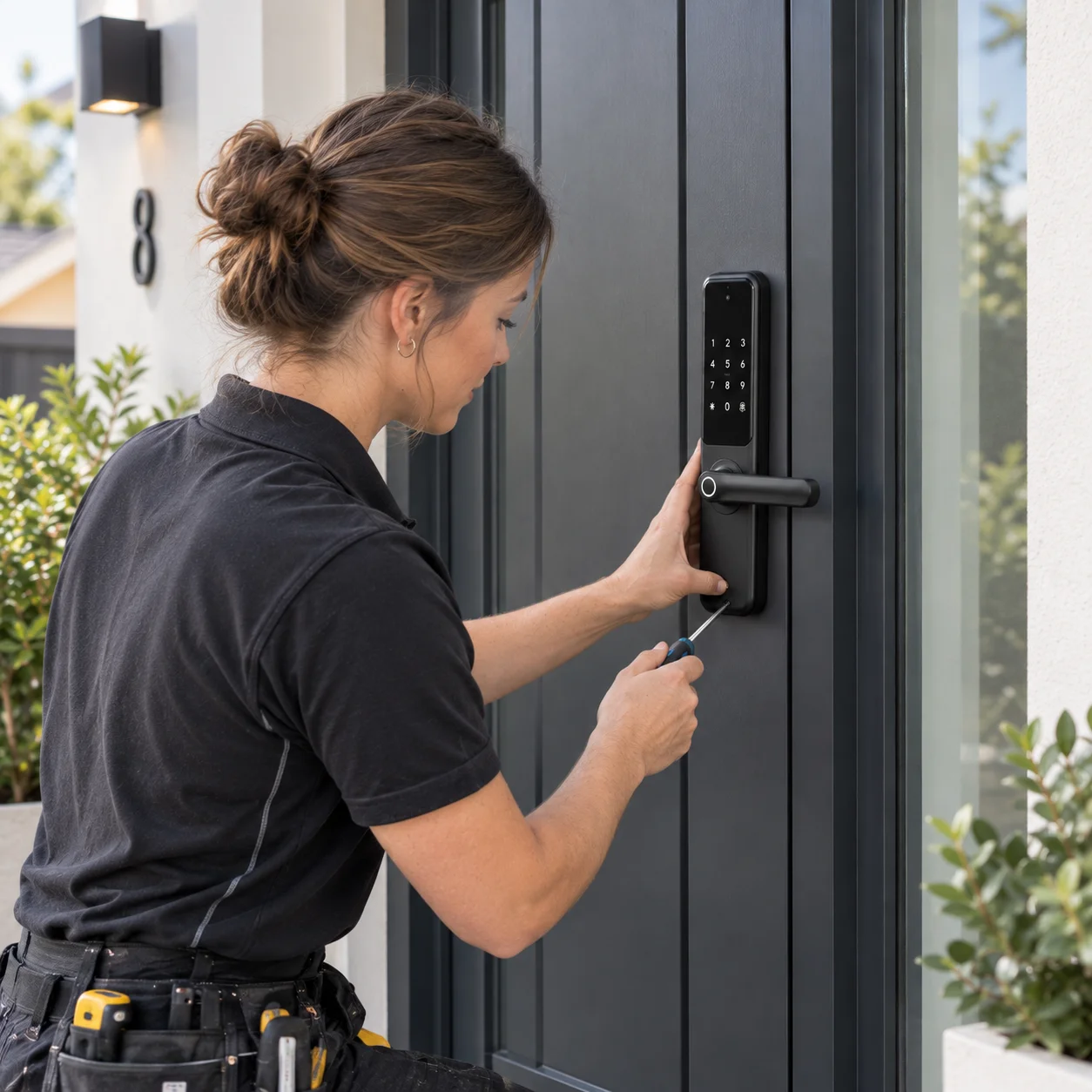
Taskforce installs the lock in under 30 minutes with no locksmith, electrician or Wi-Fi connection required. Different lock formats are available to suit different door types and existing hardware.
Tenants can contact Taskforce directly if they have an access problem, with 24/7 support and remote troubleshooting used first where possible. The service also includes unlimited code changes, remote access management, access history and activity logs, software updates and customer support.
The Hidden Cost of Key Logistics
The cost of physical keys extends well beyond replacement. Lost or compromised keys can mean new cuts, locksmith call-outs or re-keying, while everyday management creates its own workload: locating keys, signing them in and out, arranging collection, coordinating access around trade appointment times, following up returns and keeping track of who has access. If a trade arrives and cannot gain entry, the agency may also incur a call-out fee without the work being completed. Individually these tasks are minor; across a large rent roll, they can consume significant staff time and create avoidable cost.
The value of the system becomes clearest in the everyday situations where physical keys currently create extra work:
When the Trade Is Ready but the Key Isn’t
A maintenance job can be approved, scheduled and allocated to the right trade, yet access can still create another chain of coordination before the work begins. Someone needs to establish where the key is, arrange collection, make sure the trade can get to it at the right time and then ensure it comes back. If the appointment moves, the access arrangements may need to move with it. At scale, these scenarios add time and administrative effort to every job that requires entry.
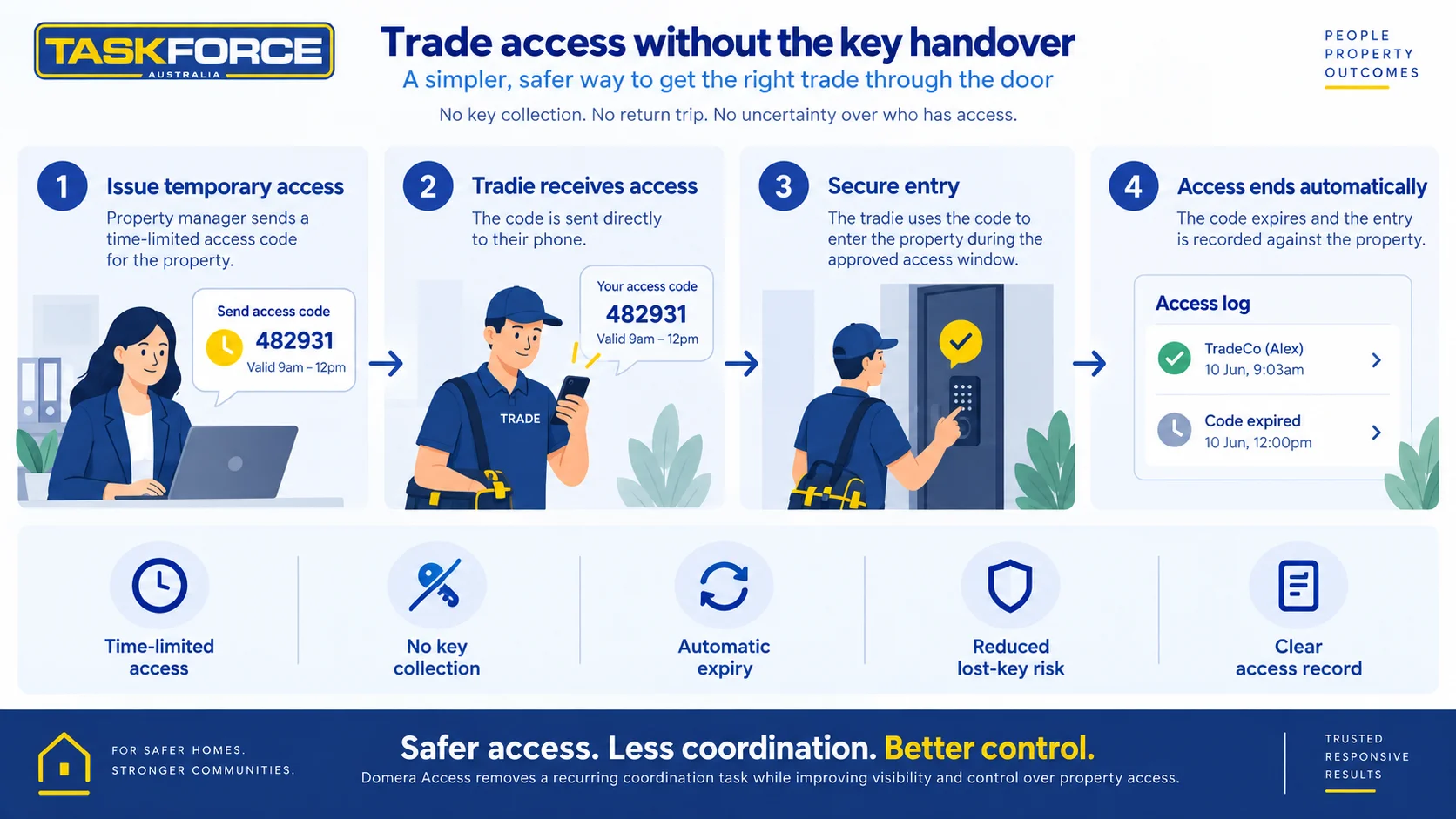
Time-limited digital access can remove the physical key handover, giving trades secure access when they need it and creating a clear record of entry.
With Domera Access, the property manager can create a temporary code for the scheduled access window and send it directly to the trade. The code can then expire automatically once the visit is complete, while the access event is retained against the property. That removes the need for key collection and return while giving the property manager clearer control over who can enter and when.
When a Tenancy Changes, Access Has to Change With It
A change of tenant creates another access-control task. Physical keys need to be accounted for, returned and redistributed; uncertainty over missing or copied keys can lead to lock changes or re-keying simply to restore confidence over who can enter the property. The operational cost is not only the locksmith or replacement key; it is the administration around establishing what has been returned, what remains in circulation and what needs to happen before the next resident moves in.
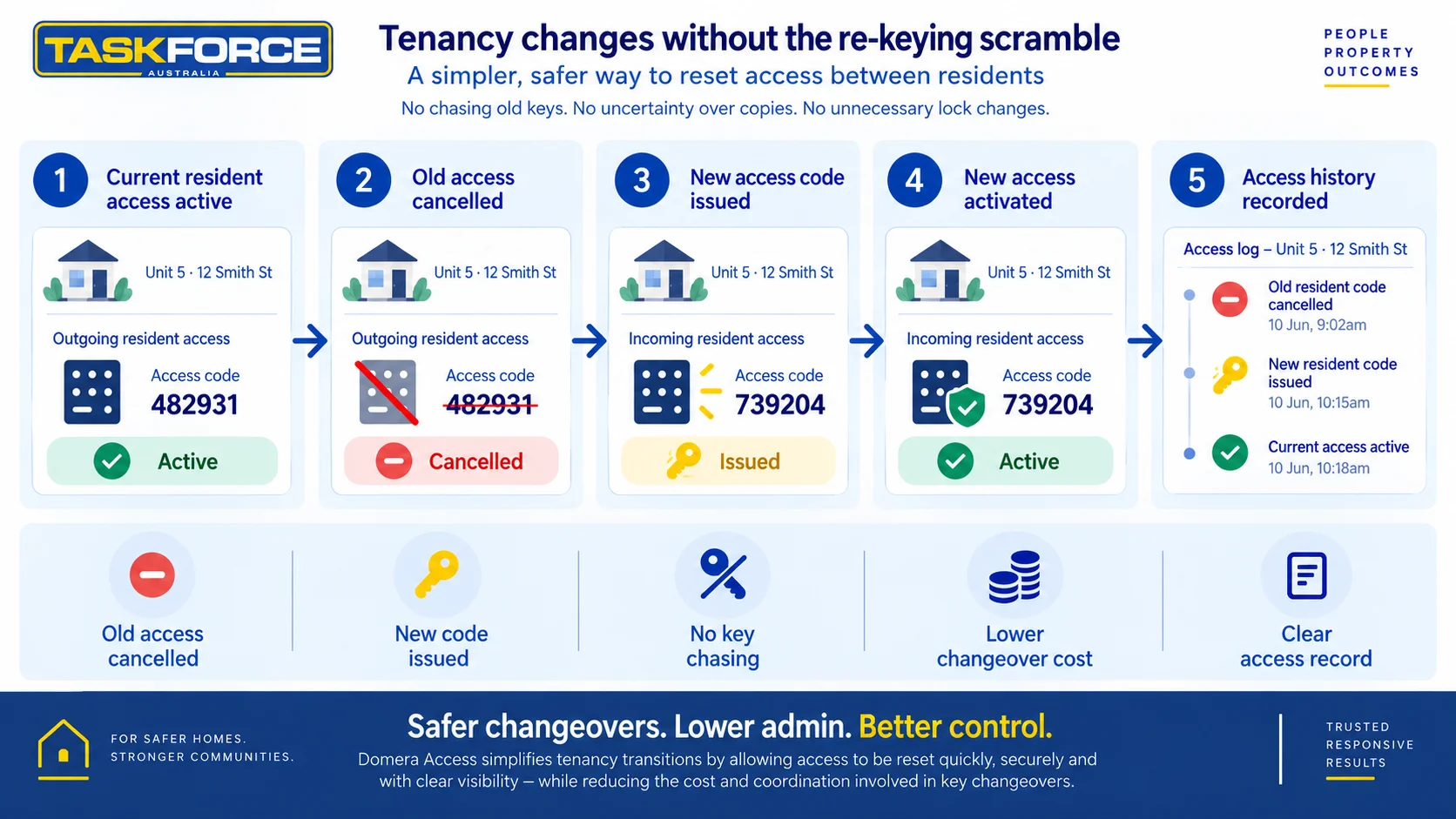
Digital access can simplify tenancy changeovers by removing old access, issuing new credentials and maintaining a clear property access record.
When a tenancy changes, access can be reset remotely rather than relying on every physical key being recovered. Existing access can be revoked and new credentials issued for the incoming resident, with the change reflected in the property’s access record. That reduces key chasing, locksmith dependence and the uncertainty that can sit around changeovers.
When an Access Problem Happens After Hours
Physical keys create a particular problem outside business hours. If a resident loses a key or cannot get into their home, resolving it can mean calls to the property manager, locating a spare, arranging collection, coordinating a locksmith or finding someone who can attend the property. A relatively simple access issue can therefore consume a property manager’s evening.
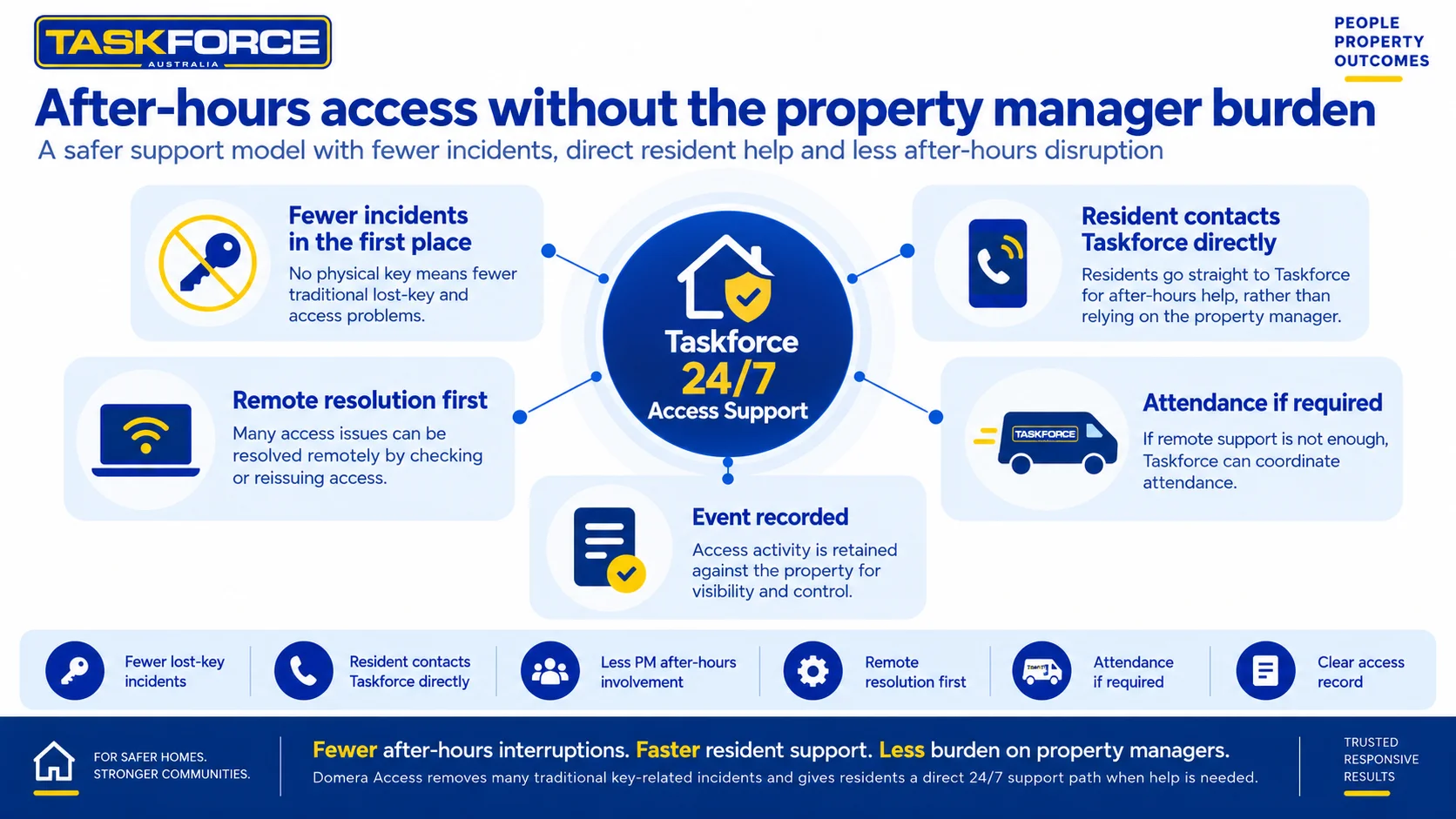
24/7 access support gives residents a direct pathway for after-hours help, with remote resolution first and Taskforce attendance when required.
Domera Access removes many of those incidents at the source because there is no physical key for the tenant to lose. If an access problem does occur — for example, a tenant forgets their code, their access needs to be reset or the lock needs troubleshooting — they can contact Taskforce directly rather than calling their property manager.
Taskforce provides 24/7 support and will attempt to resolve the issue remotely first, including checking the lock or reissuing access where appropriate. If the problem cannot be resolved remotely, Taskforce can coordinate attendance where required. The result is that after-hours access becomes a supported service rather than another problem the property manager is expected to solve in their own time.
A Gradual Path to Keyless Property Management
Moving away from physical keys does not have to mean replacing every lock across a portfolio at once. A more practical approach is to introduce digital access at the points where change would already be happening.
That might mean installing Domera Access when an existing lock reaches the end of its life, when a property would otherwise need to be re-keyed, when an owner chooses to opt in, or as part of a new-business offer. In each case, the transition happens alongside an existing operational event rather than creating a separate project for the property management team.
Taskforce can support the changeover with installation, team onboarding, tenant setup, owner-facing materials and 24/7 support. The aim is to let agencies build coverage gradually without creating another layer of administration around the transition itself.
Over time, that changes the role of access within the portfolio. Instead of relying on physical keys that need to be located, handed over, recovered and replaced, access becomes something that can be issued, changed and recorded remotely as part of normal property operations.
Ready to Rethink Property Access?
Domera Access is designed to remove physical key handling from everyday property operations without creating another layer of work for your team. If you’re considering how digital access could work across your portfolio, Taskforce can help you identify where it makes the most sense to start, from trade access and tenancy changeovers to gradual replacement as existing locks reach end of life.
Contact UsFrequently Asked Questions
Domera Access is a smart access system designed specifically for managed property. It combines a Taskforce-installed front-door lock with an access-management platform that allows property managers to issue, change and revoke access remotely without relying on physical key handovers.