Maintenance has traditionally been reactive. Something breaks, someone fixes it. But across Australia’s housing sector, that approach is becoming increasingly unworkable.
Community housing providers, developers, and property managers are all facing rising costs, stricter compliance requirements, and growing expectations from tenants and regulators.
The question now is how to bring control, predictability, and accountability back into maintenance.
The problem with reactive maintenance
The traditional “fix it when it breaks” system creates uncertainty for everyone involved. Every unplanned repair, leak, or safety issue triggers cost spikes, stretches resources, and disrupts tenants. It also undermines long-term planning. Maintenance budgets fluctuate, audits are delayed, and frontline teams spend more time reacting than managing. For many housing providers, this model has become a source of stress rather than stability.
A new approach: subscription maintenance
Subscription maintenance changes the logic. Instead of paying per job or emergency, a housing provider pays a set monthly or annual fee that covers an agreed scope of work. This may include scheduled inspections, preventive maintenance, compliance checks, and priority response services.
It’s a model that mirrors the evolution of other industries. IT, fleet management, and building services have all shifted from one-off transactions to ongoing service relationships. The result is predictable expenditure, fewer surprises, and greater accountability.
"The benefits of subscription maintenance are tangible and align closely with the challenges housing providers face."
In Australia, organisations such as Taskforce Australia are leading this shift, offering subscription maintenance solutions specifically designed for the housing sector. Their approach emphasises cost certainty, compliance assurance, and consistent service delivery across housing portfolios (taskforce.com.au/housing).
Why it works
The benefits of subscription maintenance are tangible and align closely with the challenges housing providers face.
- Predictable costs: A fixed fee allows for accurate budgeting and smoother cash flow. For community housing organisations that rely on stable funding, this predictability is invaluable.
- Reduced risk: Regular inspections and proactive maintenance minimise unexpected failures, insurance claims, and safety incidents.
- Better tenant experience: Fewer disruptions and faster response times improve satisfaction and trust. Reliable maintenance contributes directly to tenant wellbeing and retention.
- Operational efficiency: Bundled contracts and streamlined processes reduce administrative burden, freeing internal teams to focus on tenant relationships and asset planning
- Compliance confidence: With scheduled servicing and real-time reporting, providers can demonstrxatecompliance with safety and regulations, strengthening their duty of care.
"An accurate asset register acts as a single source of truth for every property component — from smoke alarms and plumbing systems to major structural elements."
Damon Hill, Taskforce National Sales Director for Housing
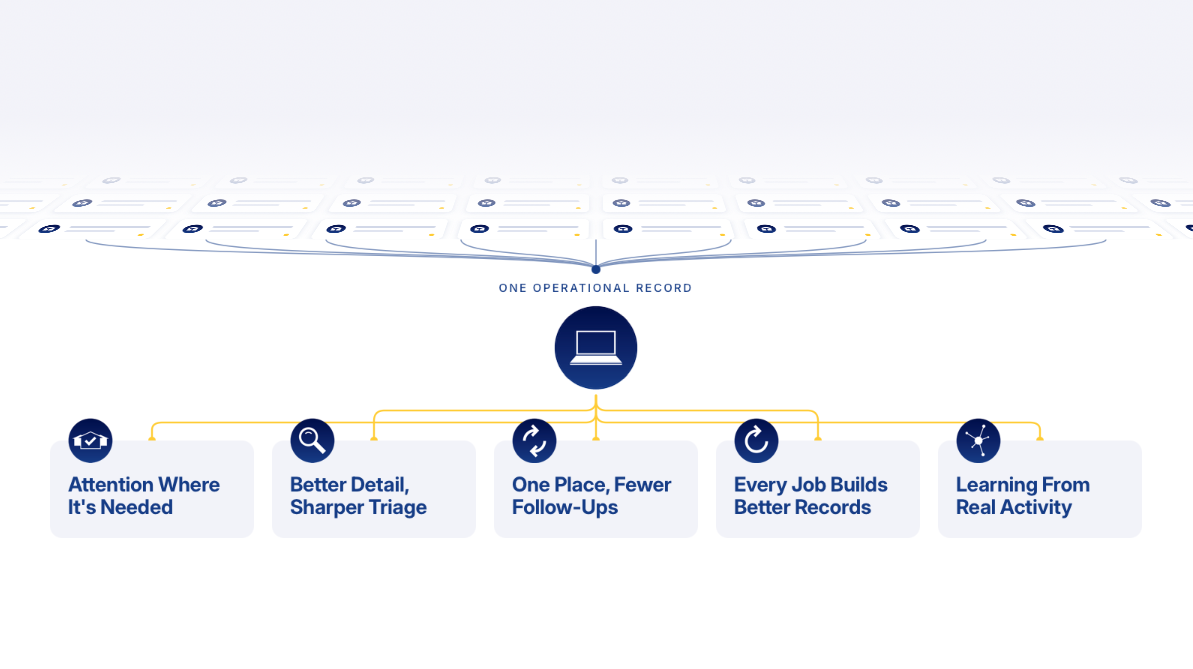
- Data-driven asset management: An often overlooked advantage of subscription maintenance is the opportunity to build and maintain a comprehensive asset register. An accurate asset register acts as a single source of truth for every property component — from smoke alarms and plumbing systems to major structural elements. It becomes the baseline for all future maintenance decisions, cost calculations, and renovation assessments.
What to consider
Moving to a subscription model requires careful planning. Providers should understand what is included in the scope of work, ensure performance measures are clearly defined, and confirm that data and reporting systems support transparency.
Portfolios with older stock or deferred maintenance may need a transition phase to bring assets to a maintainable standard. Flexibility is also essential so the model can adapt as portfolio size and needs evolve.
Why Now?
The case for change is strong. Rising labour and material costs, new compliance standards, and higher expectations for tenant care all make reactive maintenance risky and unpredictable. Subscription models introduce discipline, foresight, and financial stability at a time when the sector needs them most. They also demonstrate a commitment to delivering not only housing, but quality, safety, and long-term stewardship.
The Bigger Picture
Subscription maintenance is not simply an outsourcing model. It represents a shift in mindset—from reactive repair to proactive management, from cost uncertainty to operational confidence.
For housing providers balancing budgets, compliance, and tenant satisfaction, it offers a way to manage risk while building trust and transparency.
Predictability, performance, and peace of mind are powerful outcomes in a sector where every dollar and every day matter.