Consumer Affairs Victorian classifies Rooming Houses as follows:
"A rooming house is a building where one or more rooms is available for occupancy by four or more people (in return for the payment of rent)."
Given the differences between standard rental properties and Rooming Houses, the work involved in providing safety checks to the required standards can vary considerably.
For this reason, Taskforce offers tailored pricing to provide safety check services to properties classified as rooming houses.
Why you need to let us know if your property is a Rooming House
It's important to alert us to the fact that a property is a Rooming House for the following reasons:
- Time and materials - Rooming Houses can have many more rooms requiring safety checks than a standard rental property, so require additional allowance for materials and time to complete the relevant inspections.
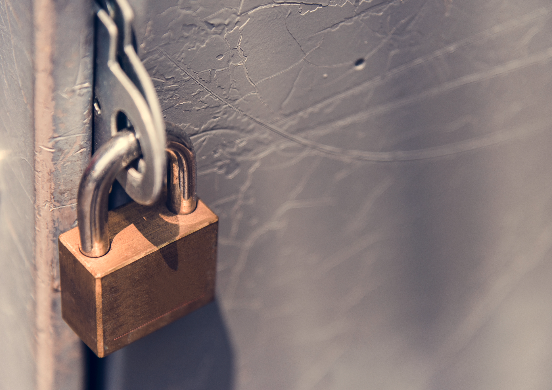
- Access to rooms - Rooming Houses have locks on all rented rooms, and access to these needs to be assured before a safety check is booked.
Please note: If you book a standard safety check and our technicians arrive to find that the property is a Rooming House, additional charges will apply.
Avoid the risk of having to reschedule your safety checks or incur extra costs by booking directly at 1300 818 138 and letting us know that the property is a Rooming House.