Essential Safety Measures by Taskforce
Inspection, testing, maintenance and compliance documentation for Essential Safety Measures, delivered through a single operational workflow.
Why does ESM matter?
Across a portfolio, Essential Safety Measures can involve multiple systems, testing schedules, inspection requirements and compliance records. Managing these requirements consistently helps support:
Safety
Ensure critical building safety systems remain operational and ready when required
Compliance
Support inspection, testing and reporting activities required under Essential Safety Measures obligations
Accountability
Maintain clear records of inspections, maintenance activities, completed works and compliance documentation
Maintaining Essential Safety Measures helps ensure critical safety systems remain operational when they are needed most. Non-compliance may result in infringement notices, fines or prosecution — in Victoria, penalties can range from $290 to over $17,000 for an individual, and over $88,000 if a company is prosecuted. Non-compliance may also affect insurance coverage, with some policies excluding claims where essential safety equipment has not been properly maintained.
More importantly, it may place building occupants at risk, as well as passers-by and the occupants of adjoining buildings.
Most fires start small...
With the correct fire protection equipment properly maintained and in place, they can often be contained or extinguished quickly. In a housing context, this means protecting the lives and safety of your tenants, their neighbours, and your properties.
Which buildings commonly require ESM?
Essential Safety Measure requirements are determined by a combination of building classification, occupancy approvals, installed safety systems and applicable building and fire safety regulations. As a result, maintenance, testing and reporting obligations can vary between properties.
ESM requirements are most commonly associated with the following building types:
Apartment Buildings
Community Housing
Residential Accommodation
Aged Care Facilities
Health & Community Facilities
Commercial & Mixed-Use Buildings
If you're unsure whether your building requires ESM maintenance, our team can help assess your requirements.
How Taskforce ESM works
Gather Existing Information
We review available documentation, including the Building Asset Register, Maintenance Schedule, previous maintenance reports, AESMR and Occupancy Permit where available.
Conduct Building Inspection
Assess safety systems, verify assets, identify maintenance requirements and determine compliance status.
Identify Defects & Required Works
Any defects, missing records or compliance issues are documented.
Complete Maintenance & Rectification
Testing, servicing, repairs and rectification works are carried out.
Reporting & Documentation
Update logbooks, reports, defect registers and compliance records.
Ongoing Maintenance Program
Scheduled inspections and maintenance continue according to requirements.
What Taskforce manages
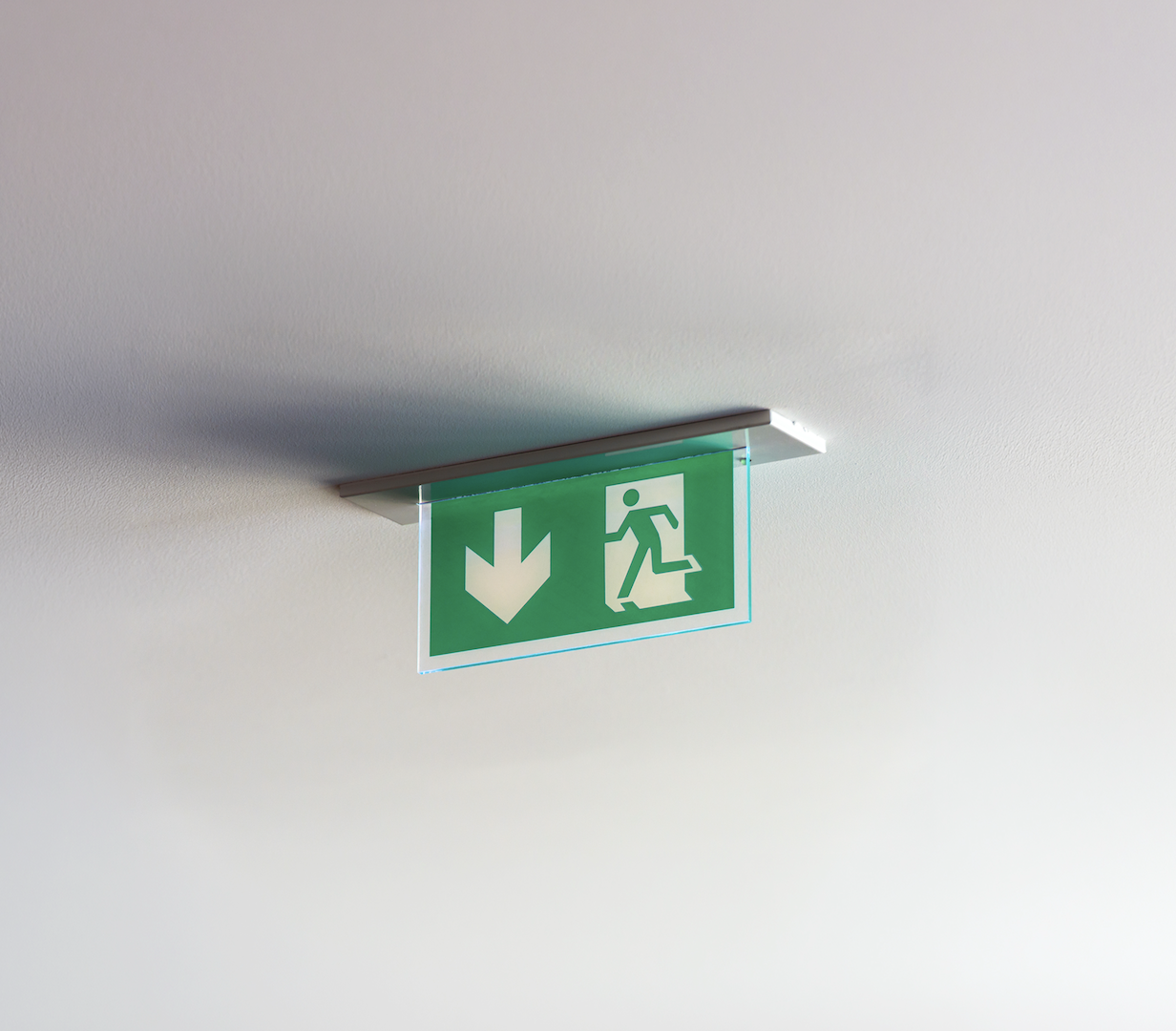
Managing Essential Safety Measures involves more than routine maintenance. It includes the inspection, testing, servicing, repair and documentation activities required to help keep building safety systems operational and support ongoing compliance obligations.
Fire Protection Systems
Inspection, testing, servicing and reporting of fire detection and protection systems
Emergency & Exit Lighting
Routine testing, maintenance and compliance activities for emergency and exit lighting systems
Passive Fire Systems
Inspection and maintenance of passive fire measures - fire doors, penetrations, signage etc
Defect Management
Identification, prioritisation and coordination of defects and rectification works
Maintenance & Repairs
Preventative servicing, corrective maintenance and repair activities to support ongoing compliance
Compliance Documentation
Maintained logbooks, reports, defect registers and compliance documentation
Ongoing Compliance
Scheduled activities continue throughout the lifecycle of the building
Why housing providers choose Taskforce
Housing providers don't want inspections, reports and defect registers.
They want safe, compliant buildings — without having to think about how that happens.

One call, everything covered
You stop chasing different contractors for fire, electrical and lighting compliance. One team manages the full scope — inspections, repairs, documentation — so you're not coordinating between providers or following up on who's doing what.

Always know where you stand
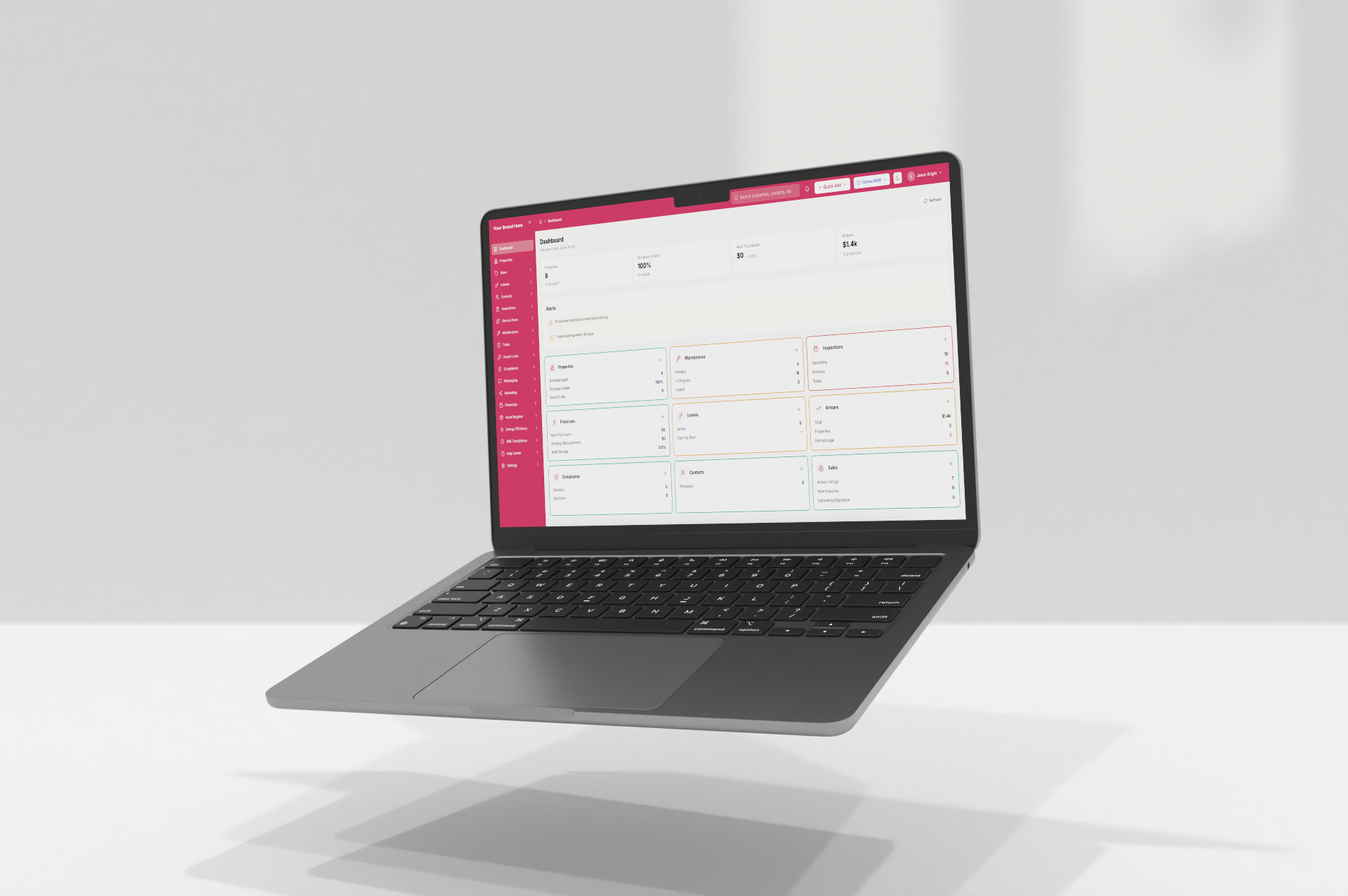
No more digging through emails or spreadsheets to find your last inspection date or current compliance status. Every record — logbooks, AESMR, defect registers — is connected to the property, so you can answer an audit or board question in minutes, not days.
Connected compliance documentation
No digging through emails or spreadsheets to find your last inspection date or current compliance status. Every record — ESM logbooks, AESMR, AFSS, defect registers and reports — stays connected to the property, so you have what you need for an audit or board question without the scramble.

We provide tenant training
Maintained equipment only helps if someone knows how to use it. Our technicians offer a free five-minute walkthrough for tenants on activating a fire extinguisher and fire blanket. It's a small thing, but if the people living there don't know how to use the equipment, it isn't doing its job.
Connected compliance documentation & reporting
Taskforce maintains the documentation generated throughout the ESM process, including:
- ESM logbooks
- Annual Essential Safety Measures Reports (AESMR)
- Annual Fire Safety Statements (AFSS), where applicable
- Defect registers
- Property-level service records
- Audit and compliance documentation
Ready to discuss your ESM?
If you're establishing an ESM program, managing an existing one, or not sure where your compliance currently stands — Taskforce provides the operational infrastructure to move your portfolio from requirement to compliant outcome. Our team brings more than 20 years' experience across fire safety, electrical and plumbing compliance.
Our team is here to help, every step of the way.