Pool Barrier Compliance Checks
Taskforce’s Pool Compliance Check makes the process simple with easy online booking - water safety and compliance is our number 1 priority. Our qualified technician will inspect your pool or spa, assessing all the required areas as stipulated by law to ensure your pool is compliant.
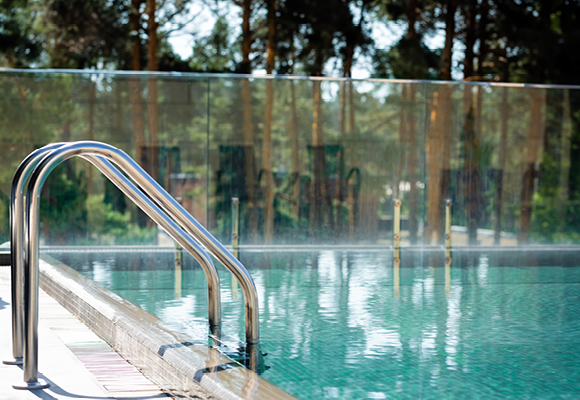
Our Pool Barrier Compliance Checks
Comprehensive check and certification
Full Inspection by Experienced Technician
Our pool barrier technicians have years of experience in local pool regulations across Victoria
Quick Compliance Certification
Where all requirements are met, a compliance certificate and full report will be sent via email
Helpful Advice for Rectification
Where a pool or spa falls short of standards, areas of non-compliance will be clearly identified on the report with advice for rectification measures.
Pool barriers require checking and certification every four years. Book a check to ensure you're doing everything required to keep your pool safe and compliant.
Frequently Asked Questions
Do all pools and spas need a safety barrier in Victoria?
Yes. In Victoria, any swimming pool or spa capable of holding more than 300 mm of water must have a compliant safety barrier and be registered with the local council. This applies to in-ground pools, above-ground pools, spas and some relocatable or temporary pools.
Many property owners are surprised to learn that age, style or temporary installation does not automatically exempt a pool. If your property has a pool or spa and you’re unsure of its requirements, a compliance inspection can confirm what applies to your situation.
What are the basic requirements for a compliant pool barrier?
A compliant pool barrier in Victoria must be designed to restrict unsupervised access to the pool area by young children. Key requirements include minimum fence heights, restricted gaps, clear non-climbable zones and compliant gates.
In most cases, pool barriers must be at least 1.2 metres high, gates must be self-closing and self-latching, and there must be no climbable objects or gaps exceeding 100 mm within designated areas. The exact requirements depend on when the pool was constructed and whether boundary fencing forms part of the barrier.
How often do pool barriers need to be inspected in Victoria?
Pool and spa barriers in Victoria must be inspected every four years by a registered pool barrier inspector. Following the inspection, a Certificate of Barrier Compliance (or non-compliance) must be issued and lodged with your local council by the due date.
Council deadlines vary, so it’s important for property owners to keep track of inspection dates to avoid penalties.
What happens if I don’t lodge a Certificate of Barrier Compliance?
Failing to lodge a Certificate of Barrier Compliance with your local council by the required date is an offence in Victoria and can result in fines or enforcement action.
If a barrier is found to be non-compliant, owners are typically given time to rectify issues before a follow-up inspection. Engaging a registered inspector early helps identify and resolve issues before deadlines are missed.
I’ve just bought a property with a pool — how do I know if it’s compliant?
If you’ve purchased a property with a pool or spa, you should first check with the local council to confirm whether the pool is registered and whether a current compliance certificate is on file.
If records are unclear, missing or out of date, arranging a pool barrier inspection is the most reliable way to confirm compliance and understand any actions required as the new owner.
Can a boundary fence be used as a pool barrier?
Yes, a boundary fence can be used as part of a pool barrier if it meets stricter height and non-climbable requirements. In most cases, boundary fences must be at least 1.8 metres high on the pool side and free of climbable features.
If a boundary fence does not meet these standards, additional internal fencing may be required to achieve compliance.
What are the most common reasons pool barriers fail inspection?
The most common pool barrier compliance issues include gates that don’t self-close properly, latches that are incorrectly positioned, and objects such as pot plants, furniture or BBQs within non-climbable zones.
Other frequent issues include deteriorated fencing, gaps that exceed allowable limits, or changes to landscaping that unintentionally create climbable areas. Many of these issues can be fixed quickly once identified.
Do temporary or inflatable pools need to be fenced?
Temporary or inflatable pools that can hold more than 300 mm of water and remain set up for more than a short period are generally required to comply with Victorian pool barrier regulations.
Smaller inflatable pools that do not exceed this depth may be exempt, but owners should exercise caution. If a pool can be filled to a regulated depth, it’s safest to assume compliance requirements apply and seek advice from a registered inspector.
Does pool barrier compliance differ for older pools?
Yes. Pool barrier requirements in Victoria vary depending on when the pool was constructed and which standard applies to that build date.
Older pools are not exempt from compliance, but they may be assessed against different standards. A registered inspection will determine which regulations apply and whether the existing barrier meets current legal requirements.
Who is responsible for pool barrier compliance — the owner or tenant?
In Victoria, the property owner is legally responsible for ensuring pool barrier compliance, regardless of whether the property is owner-occupied or tenanted.
For rental properties, owners must ensure barriers remain compliant at all times, not just at inspection intervals. Regular checks help avoid issues caused by wear, damage or changes to the property.
Book Safety & Compliance Checks For Rental Properties
Use the calculator to see pricing and book safety and compliance services directly into our system. If you are booking for 10 or more properties or would like to discuss safety checks for your rent roll, please talk to our team.
Where is your property?
Select your state to see available services.